Can You Sell a Leased Car in Los Angeles?
Selling a leased car in Los Angeles requires the lessor's approval. Compare dealer buyouts, resale taxes, equity, early returns, and lease transfer options.
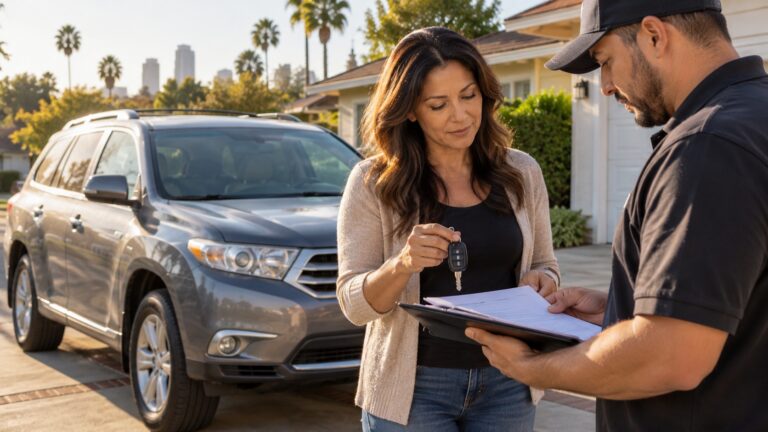
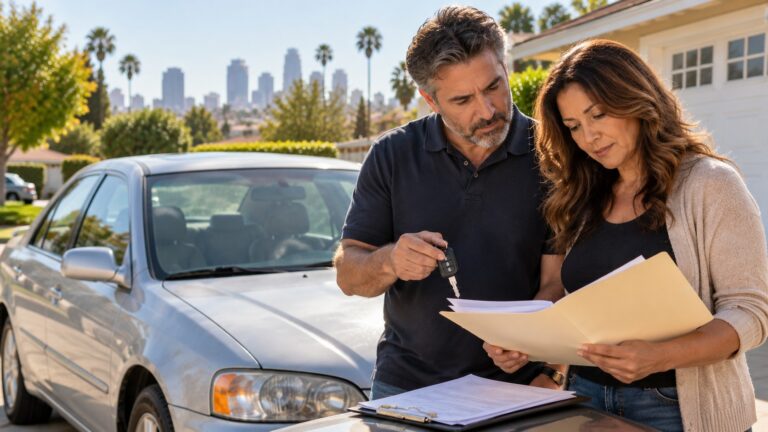
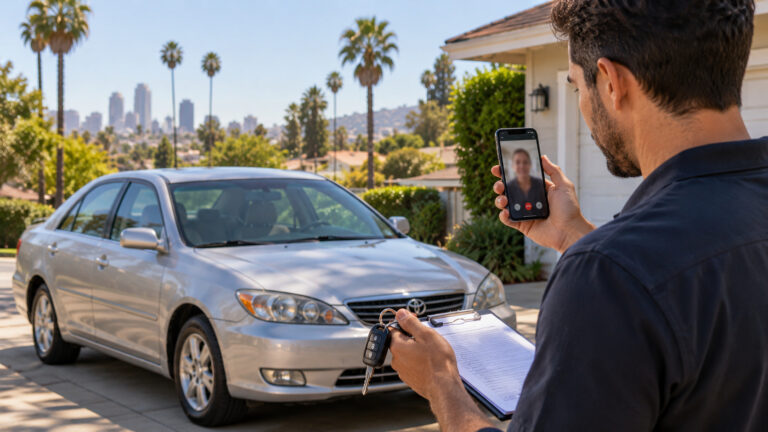
A leased car can become a financial problem long before the contract ends. For example, the monthly payment may no longer fit your budget, you may be moving somewhere you do not need the vehicle, or the car may actually be worth more today than the amount required to buy it from the leasing company. At that point, selling sounds like an obvious way out. But a leased car is different from a financed car in one very important way. You are driving it, insuring it, and making the payments, but you do not own it. That means you cannot simply find a buyer, sign the pink slip, collect the money, and walk away. The leasing company, also called the lessor, still owns the vehicle and controls the title. So yes, you can sell a leased car in Los Angeles, but only through a transaction the lessor allows or after you exercise your right to buy the car yourself.
This is why the first question should not be: “Who will pay me the most for the car?” It should be: “Who does my leasing company allow to buy it?” That answer can determine the entire transaction before the buyer’s offer even matters.
Start With the Lessor Because They Still Own the Car
Under a normal lease, you are the lessee and the leasing company is the legal owner. California DMV records distinguish between those two roles, which is why your signature alone is not enough to transfer ownership. For example, imagine you have been driving the car for three years and have made every payment on time. You find a private buyer willing to pay $4,000 more than the remaining lease buyout. It may feel like you should be able to sign the title over and keep the difference. But you cannot transfer title you do not own. Handing the buyer the keys and promising to send the title later does not create a valid sale. The lessor’s ownership has to be released through the correct process.
Most consumer leases include some kind of purchase option, which means there is usually a path to ownership. But there may be more than one way to use it. You may be able to arrange an authorized dealer buyout where the buyer pays the lessor directly. Or you may have to buy the vehicle yourself first and then resell it. And in some situations, the lessor may allow a lease transfer where another approved driver assumes the remaining lease instead of buying the car. All three routes solve different problems, which is why you should understand what your own contract permits before you start comparing offers.
An Authorized Dealer Buyout Is Usually the Cleanest Route When It Is Allowed
Suppose the lessor allows an approved dealer to purchase the vehicle directly. Now the transaction can become much simpler. The buyer obtains the payoff amount from the leasing company, pays that amount directly, receives the ownership release, and pays you any remaining positive equity. For example, the dealer offers $26,000 and the lessor’s authorized payoff is $22,500. That leaves about $3,500 in gross equity before any other applicable charges. The attractive part is that you do not have to buy the car personally, wait for title paperwork, pay the consumer buyout amount yourself, and then arrange a second sale. The dealer and lessor handle much of that directly.
But there is an important limit. The fact that a dealer wants the car does not mean the leasing company has to sell it to that dealer. Some lessors allow outside third-party buyouts. Others limit them to approved franchise dealers of the same make. Some require the lessee to purchase the car personally before anyone else can acquire it. Those policies can also change over time or vary by contract. So if Cash Cash Cars or another licensed buyer gives you an attractive offer, that number only matters if the lessor will actually authorize the transaction. That is why the first call should go to the leasing company. Ask whether third-party buyouts are allowed, which buyers qualify, whether the payoff is different for you and for an outside dealer, and how long the quote remains valid. Once those answers are clear, you can start calculating whether any equity really exists.
Positive Equity Looks Simple Until You Use the Wrong Payoff Number
A leased car has positive equity when a real buyer will pay more than the amount required to acquire the vehicle. The basic idea sounds simple. Buyer offer minus lease payoff equals gross equity. For example, if the offer is $26,000 and the payoff is $22,500, the difference is $3,500. Now reverse the numbers. The offer is $19,000, but the payoff is still $22,500. You are now $3,500 underwater on that transaction.
The important word here is payoff. Do not confuse the residual value printed in the lease with the amount needed to buy the car today. The residual may represent the contractual end-of-lease purchase value, while the current payoff can also include remaining obligations, purchase-option fees, unpaid amounts, and other contract-specific charges. This is why simply adding the remaining monthly payments or looking at the residual value can give you the wrong number. Ask the lessor for a dated, itemized payoff. Then ask whether that payoff is for you or for an authorized third-party buyer, because those numbers can differ. And once you calculate the equity correctly, California tax rules can completely change whether a personal buyout still makes financial sense.
Buying the Car Yourself Can Create a Tax Bill Before You Resell It
Suppose your leasing company does not allow an outside buyer to purchase the vehicle directly. Now the obvious workaround is:
“Fine. I will buy the car myself and then sell it.”
You may be able to do exactly that. But you are no longer talking about one transaction. You now have two. First, the lessor sells the vehicle to you. Then you sell the vehicle to someone else. A personal lease buyout is generally a taxable purchase in California, which means sales or use tax can become a major part of the calculation. The rate depends on the applicable registration address and transaction details rather than one simple Los Angeles County number. So imagine the vehicle has $4,000 in apparent equity. If taxes, fees, and title-related costs consume most of that amount, the profitable resale you imagined may become much less attractive.
This is where California’s quick-resale rule becomes important. Under the state’s vehicle lease-buyout tax rules, a qualifying transfer to a third party within 10 days after the lessee acquires title from the lessor is presumed to be a purchase for resale, which can make the lessee’s buyout nontaxable if the transaction meets the requirements. That sounds like a useful shortcut. It can be. But it is not permission to buy the car, keep driving it personally for several weeks, and then claim that the purchase was always intended for resale. Timing and documentation matter. The relevant event is not simply when an envelope containing the title reaches your mailbox. The facts surrounding when you acquired title and how the ownership documents were handled matter too.
So if you intend to rely on the quick-resale treatment, arrange the buyer before exercising the buyout. Know how payment will work. Know how the title will move. Know whether the transaction can close inside the required period. And understand the tax documentation before assuming you can recover money afterward. This is one of those situations where the tax issue should be solved before the car is purchased, not after the supposed profit has already disappeared.
A Personal Buyout Gives You More Freedom but Also More Responsibility
The advantage of buying the leased vehicle yourself is that once the lessor properly releases ownership to you, you have more control over who ultimately buys it. You may be able to sell to a used-car buyer, a private party, or another dealer. But that freedom comes with paperwork. The lessor has to provide the properly endorsed title documents. The ownership chain must be documented correctly. Odometer disclosure may apply. Smog requirements can apply depending on the vehicle and transaction. And the tax position has to make sense.
This is not the same as having a missing title. A leased car’s title is not merely lost. It belongs to somebody else until the lessor releases it. That distinction matters because some people assume they can buy out the lease and immediately hand the car to another buyer while “the title catches up later.” Sometimes a prompt resale can be documented without waiting for a newly printed title in your own name, depending on the transaction and DMV requirements. But you should confirm how that ownership chain will be documented before the money changes hands. And if the resale is private, another California issue enters the conversation. Smog.
Buying Out the Lease Can Turn You Into the Seller Who Now Owes the Smog Certificate
Imagine the car is still leased. You buy it from the lessor. Now you sell it privately to another person. You have become the seller in a separate California transaction. If the vehicle is subject to change-of-ownership smog requirements, you may now be responsible for providing the qualifying certificate. California generally exempts vehicles less than four model years old from the change-of-ownership smog inspection, and fully electric vehicles are exempt, along with certain other qualifying situations. But the familiar eight-model-year rule used for some routine renewal situations is not the same thing as the four-model-year change-of-ownership rule.
So if the vehicle has a check-engine light or known emissions problem, that issue should be factored into the personal-buyout decision before you purchase the car. Otherwise, you can solve the lease problem and immediately create a smog problem. A direct authorized dealer buyout may avoid some of that complexity because the dealer is acquiring the car under a different commercial process. And this is why the easiest route is often not the one with the highest advertised offer. It is the route that survives the lessor’s rules, taxes, DMV requirements, and actual condition of the vehicle.
Selling the Lease and Returning It Early Are Not the Same Thing
When people want out of a lease, they often treat “sell it” and “return it early” as though they are interchangeable. They are not. In a sale or buyout, the lease payoff is satisfied and ownership changes. In an early termination, you return the car to the lessor without purchasing it, and the lessor calculates what you owe under the contract and applicable law. That amount can be substantial. For example, someone may assume early termination means paying a flat $300 or $500 cancellation fee and walking away. California law does not reduce the calculation to one universal fee. The amount can involve accrued payments, contract obligations, vehicle value, and the way the vehicle is commercially disposed of. California Civil Code Section 2987 contains the detailed rules governing early termination, and certain other lease structures can involve additional protections.
This is why you should request an actual written early-termination estimate. Then compare it with the buyout. For example, if the early return would cost you $4,500, but the car has $2,000 in positive equity through an authorized sale, returning it early without checking the buyout would be financially painful. Now change the situation. The vehicle has negative equity and the early-termination amount is lower than the cost of buying it out and reselling it. The answer can flip. So the question is not: “Can I return the lease early?” It is: “What does each exit actually cost me?” And negative equity can make that calculation even more important.
Rolling Negative Equity Into Another Car Does Not Make It Disappear
Suppose the lease payoff is $24,000 and the best legitimate buyer offers $20,000. There is a $4,000 shortfall. If you want to sell the vehicle, somebody has to account for that difference. You may be able to bring the $4,000 yourself. Or if you are purchasing another vehicle, a dealership may propose rolling the shortage into the financing on the replacement. That can make the transaction feel painless because you do not write a $4,000 check today. But the debt still exists. It simply moves into the new agreement. So instead of financing a $30,000 replacement vehicle, you might now be borrowing closer to $34,000 before other financed taxes and fees. If the loan is stretched over a longer term, the monthly payment may still look manageable. The total cost can become much higher. This is why you should compare the entire replacement contract, not just the monthly payment.
A lease assumption can sometimes provide another exit if the lessor allows a new driver to take over the remaining term. But even there, you need to confirm whether the original lessee is fully released from liability. And voluntary surrender should not be treated as a cheap cancellation method. Handing the car back without properly resolving the financial obligation can still leave a deficiency balance, collection activity, and credit consequences. So before moving debt into the next vehicle, look at how close you already are to the scheduled end of the lease. Sometimes waiting is the cheaper option.
If the Lease Is Almost Over, Check the Equity Before You Simply Return the Car
Suppose only three months remain. At that point, a normal scheduled return may seem like the obvious choice. Sometimes it is. But before handing over the keys, compare the contractual purchase option with what the vehicle is actually worth. For example, the lease-end purchase price plus remaining obligations is $21,000, while a legitimate authorized buyer would pay $25,000. There may be meaningful positive equity sitting inside a vehicle you were about to return. In a normal closed-end lease, you generally do not receive a check simply because the car is worth more than the residual value when you return it. The lessor benefits from that market value unless you use an available buyout or authorized sale route. So handing back a valuable leased car without checking equity can leave money on the table.
Now reverse the numbers. The car is worth less than the cost of acquiring it. In that case, a scheduled return can make much more sense, provided mileage and excess-wear charges are manageable. Which brings us to another place where people compare the wrong numbers.
High Mileage Can Hurt Either Way, but It Hurts Differently
Suppose your lease allows 36,000 miles and the vehicle has 46,000. You are 10,000 miles over. If the contract charges 20 cents per mile, a scheduled return could create a $2,000 excess-mileage charge. That can make selling the car look more attractive. But selling does not make the extra mileage invisible. An outside buyer sees 46,000 miles instead of 36,000 and values the car accordingly. So the real comparison is not: $2,000 mileage bill versus no mileage bill. It is: $2,000 contractual mileage charge versus however much the extra mileage reduces the buyer’s offer. Sometimes selling wins. Sometimes returning the car is still cheaper.
Accident damage works the same way. At lease return, the lessor may charge for excess wear or unrepaired damage under the contract. In a sale, the buyer simply reduces the offer because the vehicle is worth less. So a damaged bumper, repaired collision, or bodywork problem does not disappear because you choose a buyout. It changes where the cost shows up. For someone considering an authorized sale, Cash Cash Cars can evaluate damaged vehicles once the lessor confirms that ownership can legally be transferred. But if the car has a serious mechanical problem, another question should come before accepting a low offer.
A Serious Mechanical Problem May Still Be Someone Else’s Responsibility
Imagine the leased car has a major transmission, battery, engine, or electrical problem. The first instinct may be:
“The car is broken. I should get out of the lease before it gets worse.”
But before buying it out or selling it cheaply, check the warranty. A serious defect may still be covered by the manufacturer. And repeated unresolved defects in a qualifying leased vehicle can raise additional California warranty-law issues, including possible rights under the Song-Beverly Consumer Warranty Act. That does not mean every breakdown is a lemon-law case. The vehicle, lease date, repair history, warranty, and other legal requirements all matter. But it does mean you should collect the repair records and understand what remedies may exist before accepting a very low offer based on a problem someone else may still be obligated to fix.
If the buyout is allowed and repairs no longer make economic sense, Cash Cash Cars can review vehicles needing repair once the lease ownership issue is resolved. And mechanical problems are not the only complications that can appear before the lease is closed. Expired registration, tickets, and tow-yard storage can change the economics too.
Registration Problems Do Not Remove the Lessor’s Ownership
Suppose the registration expired several months ago. Or parking tickets have blocked renewal. Or toll violations are sitting on the record. These issues may affect fees, the buyer’s offer, or whether the vehicle can legally be driven, but they do not suddenly make you the owner of the leased vehicle. The lessor still controls title. California parking and toll violations can affect registration renewal, but not every unpaid citation automatically prevents every ordinary ownership transfer. The exact problem needs to be identified rather than treating all DMV issues as the same thing.
This is why paying everything immediately is not always the smartest first move. For example, if registration has expired but the lessor allows an authorized dealer buyout, the buyer may account for the required expenses in its offer. On the other hand, spending money to renew the vehicle before you even know whether the lessor will permit the sale may accomplish very little. The same logic applies to a vehicle sitting at a tow yard, but with one important difference. Storage fees are growing while you are deciding.
A Leased Car at a Tow Yard Creates Three Problems at Once
Imagine the leased vehicle has been impounded. Now you have the lease payoff. The tow-yard charges. And the lessor’s ownership. You cannot simply sell the car to somebody and tell them to pick it up. The yard may require specific release paperwork, identification, payment, or authorization. The lessor may need to participate because it is still the titled owner. And the buyer still needs to qualify under the leasing company’s buyout rules. Meanwhile, storage fees can continue accumulating every day.
That is why the order matters. First establish the yard’s current charges and release requirements. Then obtain the lessor’s current payoff and confirm who is allowed to buy. Only after those two things are known does the buyer’s offer become meaningful. Cash Cash Cars has additional information about vehicles held at tow yards, but no buyer can simply bypass the yard or lessor and “sort everything out later.” This brings the entire process back to the same principle we started with. The lease controls what can happen before the offer controls whether the deal is worth doing.
Start With the Lease and End With the Net Amount
If you want to sell a leased car in Los Angeles, the easiest way to avoid wasting time is to work through the transaction in the order the problems actually appear. Start with the leasing company. Find out the consumer payoff and any authorized third-party payoff. Ask who is allowed to buy the car. Confirm how long the payoff remains valid. Then review the lease for the purchase-option fee, mileage terms, excess-wear rules, early-termination costs, and whether a lease transfer is available. Once you know the lessor’s rules, get real offers only from buyers who are actually allowed to complete the purchase. Then calculate the equity.
If you need to buy the vehicle personally before reselling it, include California tax exposure, title timing, DMV paperwork, smog, and the 10-day resale rule in the calculation. If the car has negative equity, compare paying the shortage with returning the lease or carrying the debt into another transaction. If the lease is almost finished, compare the value of the car with the scheduled return costs before handing over a vehicle that may contain positive equity. And if there are mechanical problems, expired registration, accident damage, or tow-yard charges, include those in the same calculation rather than treating them as separate problems.
At closing, the paperwork should make the transaction easy to explain afterward. The sale agreement should show the buyer’s price, lessor payoff, fees, any money paid to you, and any remaining balance you owe. Verify payment before releasing the keys. Keep proof that the lessor received the payoff. Submit the Notice of Transfer and Release of Liability to the California DMV within the applicable five-day period for the transaction and keep the confirmation. Remove personal information, toll tags, connected apps, and other data from the vehicle, then coordinate insurance so coverage ends at the correct time. At that point, you are not simply getting rid of a leased car. You are closing the lease without leaving another financial or paperwork problem behind.
The Highest Offer Does Not Decide Whether Selling the Lease Makes Sense
A leased vehicle can have positive equity. It can have negative equity. It can be worth buying and reselling. It can be cheaper to return. Or it can be worth keeping. The buyer’s offer is only one part of that decision. For example, a $25,000 offer looks excellent until you discover the authorized payoff is $23,500, taxes and fees apply to the route you planned to use, and the transaction cannot close within the timing required for the intended tax treatment. Likewise, a $22,000 offer can be very attractive if the authorized payoff is $18,000 and the lessor allows the buyer to acquire the car directly. That is why the decision should always be made from the net amount, not the headline offer.
Put the lessor’s payoff, buyer’s price, taxes, fees, negative or positive equity, mileage exposure, damage, registration issues, and paperwork on the same page. Then ask what actually remains after the lease has been satisfied. If the lessor authorizes the transaction and the numbers make sense, Cash Cash Cars can review used, damaged, or mechanically troubled vehicles in the Los Angeles area. Explain from the beginning that the vehicle is leased, who the lessor is, whether third-party buyouts are allowed, the current payoff, and where the car is located. For local pickup information, see the Van Nuys and Santa Clarita service pages. The goal is not simply to find somebody willing to buy the car. It is to make sure the sale really ends the lease and leaves you better off when everything is counted.