How to Sell a Car Owned by a Trust in Los Angeles
Learn how to sell a car owned by a trust in Los Angeles, including trustee authorization, DMV paperwork, vehicle valuation, lien resolution, and payment.
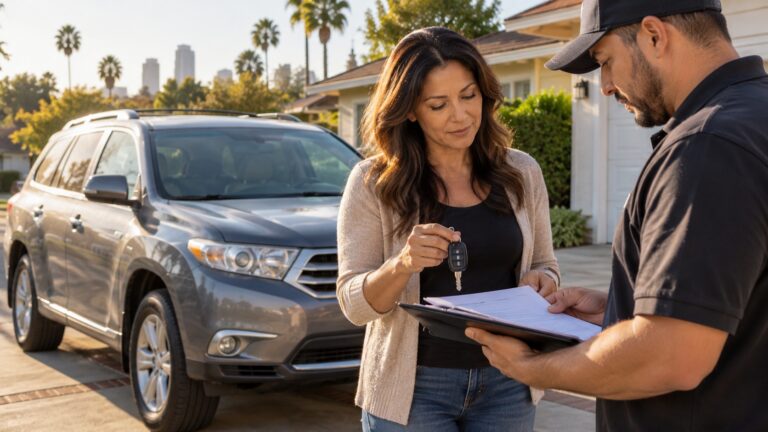
A trust-owned car often becomes noticeable only when somebody finally needs to do something with it. For example, a parent dies and an older car remains in the Los Angeles driveway. The family wants the garage space back, registration and insurance are still costing money, and a buyer is ready. Then the person handling everything looks at the paperwork and realizes the car belongs to a living trust.
At first, this can sound like a probate problem. Often it is not. California generally allows an authorized trustee to sell trust property, including a vehicle, without first taking the entire matter through probate court. The more important questions are whether the trust actually owns this car, whether the person signing is the current trustee with authority to act, and whether the proposed sale follows the trust’s instructions rather than the family’s assumptions. That is why the first person to call is not necessarily the closest relative or the person holding the keys. The transaction starts with the trustee.
Being a Beneficiary Does Not Make You the Seller
Imagine Dad’s trust leaves everything equally to three children. One child lives in Los Angeles and has the car. It may seem natural for that child to sell it and later divide the money. But a beneficiary and a trustee are not automatically the same thing.
The trustee is generally the person with authority to manage and dispose of trust property, subject to the trust document and the duties owed to the beneficiaries. California Probate Code Section 16226 gives trustees general power to dispose of trust property, but that authority still operates within the trust’s terms. With a revocable living trust, the person who created the trust may still be serving as trustee while alive and capable. If that person dies or becomes incapacitated, the document may name a successor trustee who takes over once the triggering event and appointment are properly established. An irrevocable trust can sell a vehicle too. “Irrevocable” does not mean every asset is frozen forever. It means the trustee has to act within the trust’s purpose and cannot simply treat the car as personal property. That becomes particularly important if the trust says a specific vehicle is supposed to go to a named person. The trustee should not ignore that language simply because selling the car would be more convenient.
Co-trustees create another complication because multiple trustees may have to act together unless the trust provides another decision-making rule or an applicable exception changes the result. So before accepting a buyer’s offer, establish who is currently wearing the trustee hat and how many signatures that authority actually requires. Then look at the title.
The Trust Document and the Pink Slip Need to Tell a Compatible Story
A California title may show the family trust itself, an individual’s name followed by “Trustee,” or still show the original person’s personal name. The easiest case is when the title clearly shows the trust as owner and the acting trustee’s authority is easy to establish. The trustee signs in a representative capacity rather than signing as though the vehicle belongs to them personally. For example, the release may identify the trust and then show Jane Doe signing as trustee.
If the successor trustee’s name does not appear on the old title, additional documentation may be needed to explain why Jane now has authority to sign. REG 256 can become relevant in some situations, while the trust documentation establishes the succession itself. A Certification of Trust can be particularly useful because it allows the trustee to show the trust’s existence, current trustees, powers, and signature authority without handing a buyer every private distribution instruction in the entire trust. A successor trustee may also need a death certificate or whatever documentation the trust uses to establish the former trustee’s incapacity. The important point is that the buyer should be able to follow the chain: This trust owns the car. This person is the current trustee. This trustee has authority to sell it. Once that chain is clear, the sale is usually much easier.
The difficult cases are the ones where the family thought the car was in the trust but the DMV record says otherwise.
A Car Listed on a Trust Schedule Is Not Always a Trust-Owned Car at the DMV
This is common after somebody dies. The trust paperwork may mention the Toyota. The family considers it a trust asset. But the California title still shows the deceased person’s individual name. The trustee should not solve that mismatch by signing the deceased owner’s name or assuming general control over trust property automatically reaches every asset the person ever owned.
One possible route can involve REG 5, California’s Affidavit for Transfer Without Probate, when its requirements are satisfied. The form can apply in qualifying situations involving a trustee acting for a trust established by the deceased owner, but the 40-day timing requirement, declarations, estate conditions, and other eligibility requirements still matter. Other trust-transfer procedures may establish the ownership chain through the trust documents and additional DMV paperwork. And if there is a genuine dispute over whether the vehicle belongs to the trust, the matter can move beyond ordinary DMV paperwork. A court petition may be needed to determine ownership.
Now change the situation. The original owner is alive but incapacitated, and the car was never transferred into the trust. The successor trustee cannot simply say, “I control the trust, so I control all of Mom’s property.” If the vehicle remains Mom’s personal property outside the trust, a valid durable power of attorney, conservatorship, or another lawful authority may be needed. This is why checking the actual title before planning the sale can save enormous confusion. And even when the trust unquestionably owns the car, a lender can still have a stronger practical hold on the title than the trustee does.
Trust Authority Does Not Remove the Bank’s Lien
Suppose the trust owns the vehicle, the successor trustee is properly appointed, and nobody in the family objects to the sale. The lender is still owed $18,000. A buyer offers $15,000. Trust authority does not make the missing $3,000 disappear. Before the lender releases its interest, that shortfall still needs to be handled. The trustee should determine whether the trust can properly fund the difference and whether selling on those terms makes financial sense.
If the vehicle has positive equity instead, the transaction can sometimes be structured so the buyer pays the lender directly and the remaining amount goes to the trust. A lender dealing with a deceased borrower may also want proof that the trustee or other representative has authority to discuss the account. So obtain the payoff and release instructions before accepting a final offer.
This naturally leads to another trustee responsibility because once the lien is understood, the trustee has to decide what price is actually reasonable. And “reasonable” does not necessarily mean the highest retail advertisement anyone can find online.
The Trustee Needs a Defensible Price, Not a Fantasy Price
Imagine beneficiaries believe Dad’s sedan is worth $12,000 because they found similar cars advertised for that amount. The actual car has a failing transmission, body damage, and has been sitting for a year. Those are not the same vehicle. A trustee’s job is to manage trust property prudently, which means understanding actual market value and balancing the expected proceeds against repairs, insurance, storage, depreciation, and the time required to sell. Probate Code Section 16040 frames that broader duty of reasonable care, skill, and caution. So use valuation references and comparable Los Angeles vehicles as a starting point, then bring the actual car back into the calculation. Photograph it. Get the repair estimate. Document the mileage and condition. Obtain more than one real offer where practical.
Now imagine a buyer offers $7,000 as-is while repairing and preparing the vehicle for a private sale would cost $3,000 and take another month. Accepting the $7,000 does not automatically mean the trustee undersold the trust’s property. The decision has to be viewed in context. Selling the same vehicle cheaply to the trustee’s own relative without comparing the market is a different situation because now a conflict can be involved. If a beneficiary wants the car, the trustee may have legitimate options under the trust, including a properly valued purchase or distribution where authorized. What should not happen is quietly choosing a favorite beneficiary and inventing a convenient price. Good valuation records protect the trustee as much as the beneficiaries.
Once the price is defensible, the selling method becomes much easier to choose.
The Best Buyer Depends on the Car the Trust Actually Owns Today
A clean, running vehicle with a clear title may justify the extra work of a private sale. If the trustee has time to photograph it, answer questions, meet buyers, manage inspections, and verify payment, that route may produce a stronger price. Now imagine the car is sitting at an apartment garage with a dead battery, expired registration, and a transmission problem. The theoretical private-sale price begins competing with towing, repairs, smog, continued storage, and the trustee’s time. A licensed dealer or professional buyer can make more sense for a vehicle in that condition, particularly when a lender payoff or pickup problem is involved.
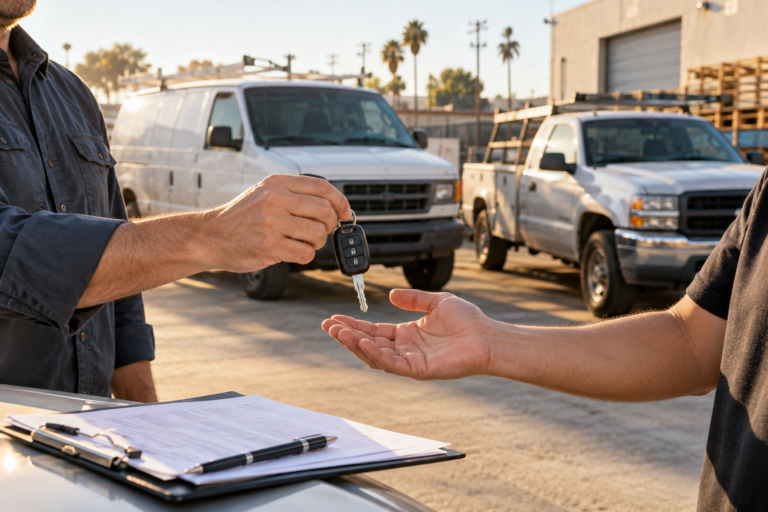
Cash Cash Cars can evaluate trust-owned vehicles needing repairs and old or unwanted cars around Los Angeles once the trustee’s authority and title situation are understood. The trustee still needs the final offer and conditions in writing and should understand whether towing, storage, or other costs reduce what the trust actually receives. Because the real number is not the headline offer. It is the amount that ends up in the trust account.
But before the car gets there, normal California vehicle rules still apply.
A Trust Sale Is Still a California Car Sale
Putting a car in a trust does not erase smog, odometer, title, or registration requirements when the trust later sells it to an unrelated buyer. For example, a transfer into a trust may qualify for treatment that is different from the trust’s later sale to a stranger. So do not assume an exemption that applied when the family moved the car into the trust follows the car forever. A qualifying private-party sale of a gasoline-powered vehicle may still require the normal smog certification. Electric vehicles and other specific categories can be exempt, and certain transactions with licensed buyers can follow different rules.
Odometer disclosure is another separate requirement. For many 2011-and-newer vehicles, disclosure continues until the relevant 20-model-year threshold. The trustee should use the actual displayed mileage and the appropriate title section or secure REG 262 where required, not estimate what the deceased owner probably drove. A non-running vehicle can also be sold, but “as-is” does not wipe away title or smog requirements by itself. Expired registration and Planned Nonoperation create their own issues. Parking and toll violations can also be treated differently depending on the type of transfer, which is particularly relevant because the DMV distinguishes some transfers into a revocable trust from transfers out of one.
In other words, the trust determines who can sell. The vehicle laws determine how the sale is completed. And family disagreement can still determine whether the trustee should slow down before signing.
Beneficiaries Do Not Usually Vote on Every Sale, but Their Objections Can Still Matter
A trustee does not ordinarily need to hold a family election every time trust property is sold. If the trust gives the trustee authority to sell the vehicle, they can generally choose a reasonable buyer without obtaining a separate permission slip from every beneficiary. But that does not mean a real dispute should be ignored. For example, a beneficiary says the trust specifically promised them the car. Another says the trustee is selling it too cheaply. Two co-trustees disagree completely. Those are not simply annoying relatives delaying a transaction. They can raise questions about the trust’s instructions, valuation, conflicts, and authority.
California provides an optional notice-of-proposed-action procedure for certain trustee decisions. Where the procedure is available and appropriate, qualifying beneficiaries generally receive at least 45 days to object. That is not the same thing as saying every vehicle sale requires 45 days of notice, and the procedure has limits. It also does not sanitize fraud or a transaction the trustee never had power to make. If an objection becomes serious, a trustee or beneficiary may ask the court to resolve the administration or authority issue. This is especially important where the trust specifically directs that the vehicle go to a particular person. The trustee should not assume they can rewrite that direction simply because selling the vehicle seems administratively easier. So the trustee’s goal should be to make the sale understandable and defensible before it becomes controversial. Then the money has to be handled with the same discipline.
The Sale Money Goes Back to the Trust, Not Into the Trustee’s Pocket
Suppose the trustee personally spent weeks dealing with repairs, buyers, DMV paperwork, and towing. The buyer asks where to send the $9,000. The easiest answer may seem to be the trustee’s personal bank account. That is usually the wrong way to think about it. Trust property should remain separate from the trustee’s personal property. Payment should go to the trust or to the trustee clearly in the representative capacity, then be deposited and recorded appropriately. The trustee should keep the buyer’s name, sale price, VIN, payment date, lien payoff, and direct selling expenses as part of the trust records.
And if the settlor has died, the vehicle being sold does not automatically mean the sale proceeds can immediately be divided among beneficiaries. The trust may still have debts, taxes, administration expenses, reserves, or other instructions that have to be dealt with first. If somebody was specifically entitled to the vehicle or its proceeds, that language can change the result. Otherwise, the money may simply join the other trust assets until distribution.
There can also be tax consequences. An ordinary used car often sells without taxable gain, but basis rules can depend on how the trust and the deceased owner’s estate are structured. Assets included in a deceased person’s taxable estate commonly receive a date-of-death basis adjustment, while some irrevocable-trust property can be treated differently. A personal-use loss is also not automatically deductible simply because the trust sold the car for less than an earlier value. That is why the trust’s tax preparer, not the buyer, should answer the tax-accounting question. The buyer’s job is to buy the vehicle. The trustee’s job is to make sure the trust can explain the transaction afterward.
A Proper Trust Sale Should Tell One Clear Story From Beginning to End
At closing, the paperwork should line up with everything that came before it. The trust or legally connected owner had the vehicle. The acting trustee had authority. The title chain supports that authority. Any lender was dealt with. The price was reasonable for the vehicle’s actual condition. Required smog and mileage documentation was handled. The buyer paid the correct party. And the money went back into the trust rather than becoming somebody’s informal family cash.
After the transfer, file California’s Notice of Transfer and Release of Liability within five calendar days and keep the confirmation with the title copies, bill of sale, trustee authority, valuation records, payment documents, and lien release. The buyer generally handles the corresponding ownership-transfer application, but the trust should keep its own file complete.
For a Los Angeles trust vehicle that is old, damaged, non-running, or simply no longer needed, the actual sale does not have to be the difficult part. The difficult part is making sure the person selling it truly speaks for the trust. Once that is established, Cash Cash Cars can discuss the vehicle’s condition, title, lien, location, and pickup requirements and provide an as-is offer where appropriate. A quick sale is useful. A quick sale that the trustee can still defend two years later is much better.