How to Get Rid of a Non-Running Car in LA Before You Get an LAPD Street Parking Ticket?
A non-running car on an LA street can quickly become a ticket or impound problem. Learn the 72-hour rule, fees, paperwork, and removal options.
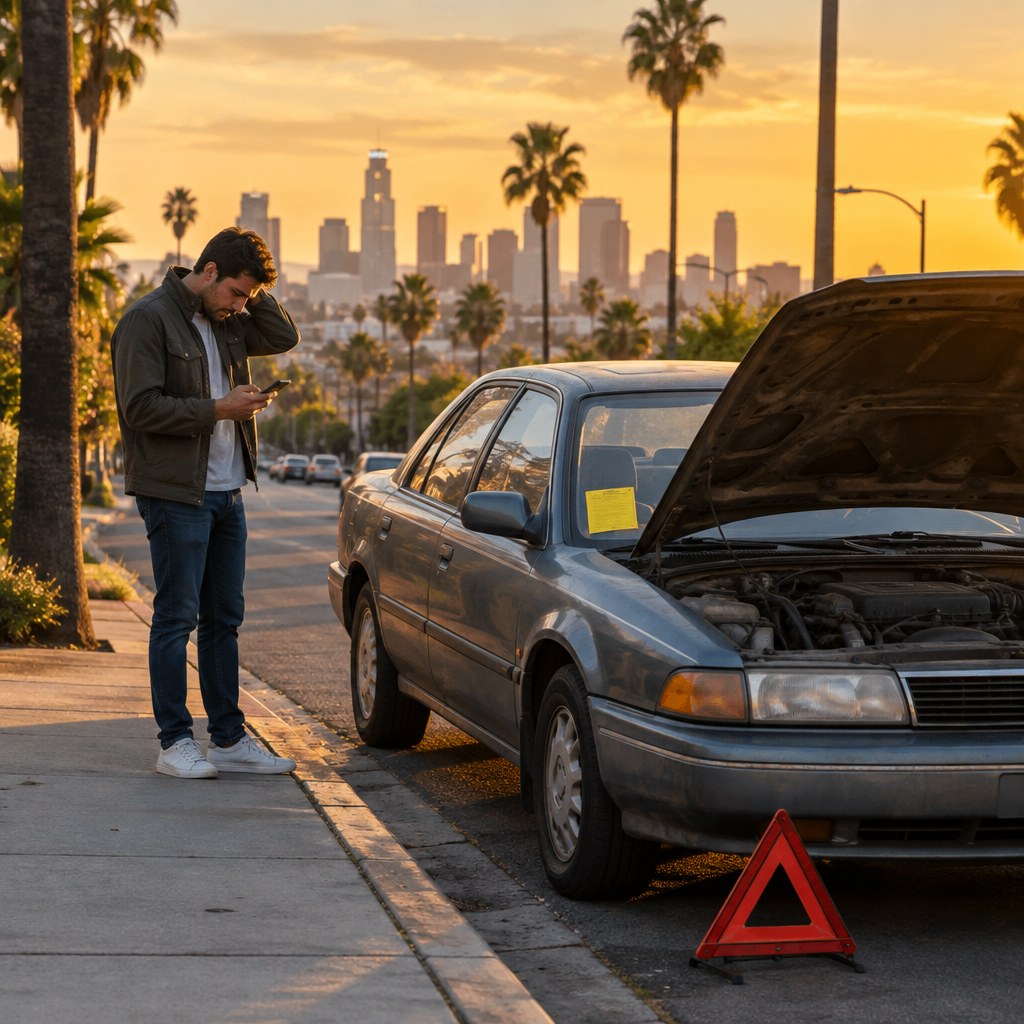
A car that suddenly dies on a Los Angeles street can become expensive fast. At first, it may just feel like a mechanical problem. Then you realize it cannot move for street sweeping, you cannot drive it home, and neighbors may assume it has been abandoned.
That matters because Los Angeles does not allow vehicles to be stored on public streets for more than 72 consecutive hours. If the car remains there, it can be reported, marked for enforcement, cited, and eventually towed to an Official Police Garage. Once that happens, you are no longer dealing with a broken car. You are dealing with towing charges, release fees, daily storage, possible tickets, and a vehicle you may have to pay another tow truck to retrieve.
If you already know the car isn’t worth repairing, voluntarily removing it is usually far cheaper than waiting for the City to handle it.
LA’s 72-Hour Street Parking Rule
Los Angeles Municipal Code section 80.73.2 and California Vehicle Code section 22651(k) prohibit leaving a vehicle parked or stored on a public path, such as highway, or alley for 72 or more consecutive hours. LADOT confirms that no special 72-hour sign is required for enforcement.
The city does not normally tow a complete, legally parked car the instant it has sat for three days. A resident may report the vehicle through MyLA311, the abandoned-vehicle reporting system, or the 1-800-ABANDON hotline. A LADOT traffic officer then inspects the vehicle, records its location, and may place a warning notice or red tag on it.
After the required observation period, if the officer finds that the vehicle has not been moved, the City can issue a citation and order a tow.
Do not assume a red tag means you have plenty of time to wait for the best Craigslist offer. Once the car has been reported, the issue is already on parking enforcement’s radar. And several other violations can lead to a citation or tow much sooner than 72 hours.
A Non-Running Car Can Be Towed Before the 72 Hours Are Up
The 72-hour rule is only one parking rule. A disabled vehicle can get into trouble much faster if it is:
- Parked during posted street-sweeping hours
- In a red zone, bus zone, loading zone, or peak-hour tow-away zone
- Blocking a driveway, sidewalk, alley, or traffic lane
- Parked near a fire hydrant or in another safety-restricted area
- Left where temporary signs prohibit parking because of construction or special events
- Expired in registration by six months or more
- Missing major parts, wheels, tires, or other equipment that makes it an obvious hazard
Moving the car forward a few feet or shifting it into another space on the same block is not a dependable fix. The safest approach is to remove it from the public street rather than trying to reset the observation period. More importantly, if the vehicle clearly cannot run, repeatedly moving it around the block only delays the real problem.
The better move is to arrange a private tow, repair, or legitimate sale before enforcement escalates.
What To Do the Moment Your Car Dies on the Street
First, make sure the car is not creating a safety risk. If it is in a traffic lane, blocking access, or sitting somewhere dangerous, arrange emergency roadside assistance or a tow immediately.
If it is safely parked at the curb, document the situation before making calls. Take photos of the vehicle, its plate, its exact position, nearby signs, and the cross street. If possible, photograph the VIN through the windshield. This gives you a record of where the car was and its condition if there is later confusion about a citation, tow, or damage.
Then check the immediate restrictions. Find out whether street sweeping is scheduled, whether there are temporary signs nearby, and whether the car is too close to a driveway, hydrant, or restricted curb. A vehicle that is legal at noon may be illegally parked a few hours later.
From there, decide whether the car is worth saving. If it is not, same-day junk car removal in Los Angeles is usually the least stressful option because the vehicle can be evaluated and pickup can be arranged before parking enforcement or storage costs become the bigger problem.
Why Letting the City Tow Gets Expensive Quickly
When LAPD or LADOT orders a tow, the car is generally taken to an Official Police Garage, also called an OPG. Fees begin building immediately.
Current Official Police Garage rate information puts a standard tow at roughly $215 to $220 for the first hour or fraction of an hour, depending on payment method. There is also a $115 City vehicle release fee. Daily storage can run roughly $66 to $68 per day, plus a 10% City parking tax on storage.
That means a basic impound can quickly reach several hundred dollars. The exact total depends on the specific garage, the vehicle, the reason for the tow, and how long it remains there, so call the OPG directly for the current amount due.
The problem is even worse with a non-running car. After paying the City and garage fees, you may still need to hire a separate tow truck because you cannot simply drive the vehicle out of the lot.
Unpaid parking tickets can create additional holds and costs. If the vehicle is tied to delinquent citations, you may need to resolve those issues before release. Meanwhile, storage keeps increasing every day.
If Your Car Has Already Been Impounded
Act quickly. Contact the Official Police Garage listed on the tow notice and ask for:
- The exact amount currently due
- The daily storage rate
- Whether a police or LADOT release is required
- The ID and ownership documents needed
- Whether an authorized buyer or dismantler can retrieve the vehicle
- The deadline and status of any lien-sale process
You will usually need a valid photo ID and proof of ownership, such as the title or current registration card. The City’s towed-vehicle guidance also explains that OPG towing, storage, and parking-fine obligations must be resolved before release. If the vehicle has an impound hold, you may first need a release from the agency that ordered the tow.
If you believe the tow was improper, you can request a post-storage hearing. You should generally make the request within 10 calendar days of the impound notice. A successful hearing can result in release or reimbursement, but it is not a reason to ignore the vehicle while storage continues.
Do not assume a lien sale makes the debt disappear. If a tow yard eventually sells the car for less than the valid tow, storage, and lien costs, the remaining balance may still become a collection issue. Read every notice from the garage immediately.
Is a Private Driveway or Apartment Carport Safer?
A private driveway, apartment carport, or apartment parking lot is different from a public street. LA’s 72-hour street-storage rule does not apply just because a legally parked vehicle has been sitting in private property for several days.
However, private property brings its own risks. An apartment manager may enforce the lease, parking rules, and California private-property towing requirements. A car with flat tires, expired registration, or obvious mechanical issues may be treated as unauthorized or abandoned under the complex’s rules.
A visibly wrecked or inoperable vehicle left in an open driveway or yard can also trigger HOA or property-maintenance complaints. Moving the car off the street may give you breathing room, but it does not solve the long-term issue if the landlord or property owner wants it gone.
Your Fastest Options for a Non-Running Car in Los Angeles
A private buyer may pay more for the right car, but it is rarely the best choice when your vehicle is stuck on the street. You may spend days answering messages, dealing with no-shows, negotiating with buyers who haven’t seen the car, and waiting for someone to tow it.
Donation programs can be useful in the right situation, but pickup may take several business days. A repair shop may make an offer or accept a trade, but that also depends on timing and negotiation.
For a vehicle that needs to disappear quickly, a licensed local buyer or auto dismantler is usually the most realistic same-day option. A legitimate company can evaluate the vehicle based on its condition, verify ownership paperwork, pay for it, and tow it away.
That’s where Cash Cash Cars’ junk car pickup service can help. Instead of risking an LAPD or LADOT tow and paying impound fees, you can arrange voluntary removal and get paid for a vehicle that is otherwise becoming a parking problem.
What Paperwork Do You Need?
The cleanest situation is having a California title, often called the pink slip, in your name. The seller signs it as required, and the buyer completes the transfer process.
If the title is missing, do not assume you are stuck. California DMV Form REG 227, Application for Replacement or Transfer of Title, may be used in appropriate situations involving a lost, stolen, damaged, or missing title. But it is not always a simple form you can print at the last minute and hand to a tow driver.
The correct paperwork can depend on the vehicle’s model year, its DMV record, odometer-disclosure requirements, and whether a lienholder is listed. California may also require a secure REG 262 transfer form in some transactions. A serious buyer should ask about title status before dispatching a truck, not surprise you with paperwork after arriving.
A few rules are especially important:
- A bill of sale helps document the transaction, but it is not a universal substitute for proof of ownership.
- REG 256, Statement of Facts, is not a blanket “junk car under $5,000” title replacement.
- If there is an active lender lien, it must be resolved. The buyer cannot legally skip the lienholder.
- If two owners are joined by “and” on the title, both generally need to sign.
- If the car is not in your name, you may need a valid chain of ownership before you can sell it.
- An inherited vehicle may qualify for a separate California estate-transfer process, but it has its own rules and documents.
Disclose expired registration early as well. A buyer may factor unpaid DMV fees into its offer or have a proper dismantler process for the vehicle, but do not assume old registration debt automatically disappears when the car is sold.
You Usually Do Not Need To Repair It for Smog First
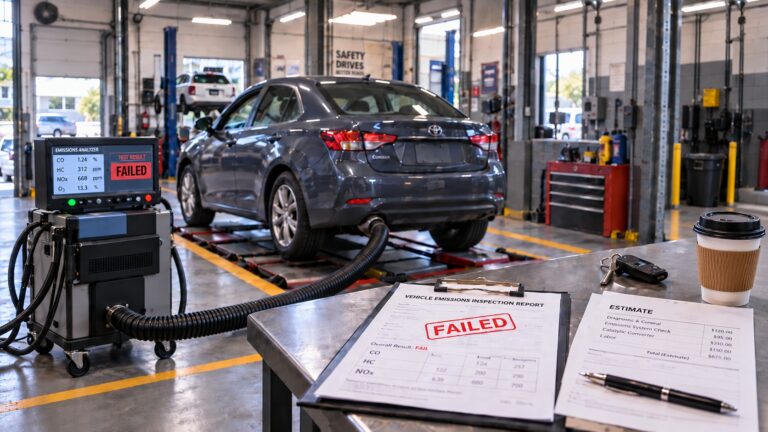
In a normal private sale, California generally requires the seller to provide a valid smog certificate unless an exemption applies. That can be a major problem if the car will not run or has failed smog because it needs expensive repairs.
A transfer to a properly licensed dismantler for wrecking or dismantling is different. These transactions generally aren’t handled like a standard private retail sale that requires the seller to repair the car solely to obtain a passing smog certificate.
That is why selling an unusable vehicle to a qualified licensed buyer can be more practical than spending hundreds or thousands of dollars to make it marketable to a private buyer.
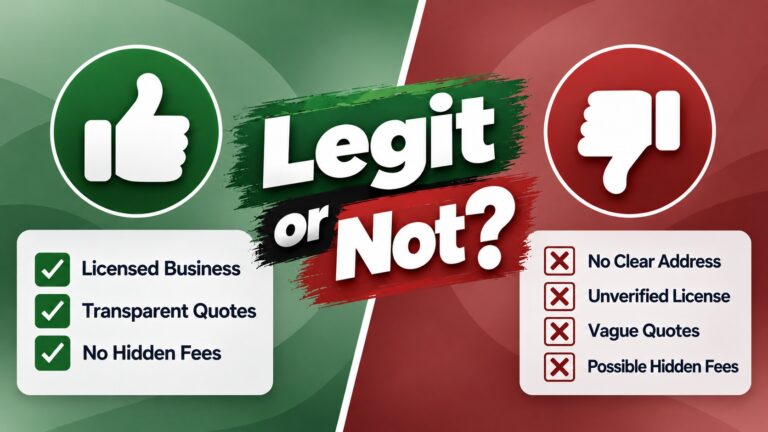
How To Avoid a Bad Junk-Car Pickup Deal
Be accurate when you request a quote. Give the year, make, model, mileage, location, whether it has keys, whether the wheels roll, whether major parts are missing, and whether the truck can access it. A buyer can reasonably revise an offer if the vehicle was described incorrectly, such as when an engine, catalytic converter, or wheels are missing.
But a buyer should not arrive and slash the price without a real reason. Get the quote in writing by text or email, confirm whether towing is included, and ask whether the amount is guaranteed based on the details you provided.
Before the vehicle is loaded, make sure you have:
- Payment or confirmed immediate payment
- A bill of sale or purchase receipt
- The buyer’s legal business name and address
- The final sale date and amount
- The vehicle’s VIN and odometer reading documented
- Any title or DMV paperwork completed correctly
Remove all personal belongings from the car. Check the trunk, glove compartment, console, under the seats, spare-tire area, documents, garage remote, and anything attached to the keys.
Do not automatically remove regular California plates without asking. In California, ordinary plates generally stay with the vehicle, while personalized or special plates may require different handling. Follow the buyer’s and DMV’s instructions for your specific situation.
File Your Notice of Release of Liability
After the sale, file a Notice of Transfer and Release of Liability with the California DMV within five calendar days. You can submit it online or by mail using paper Form REG 138.
You will need the buyer’s name and address, vehicle information, the sale date, and the odometer reading. Save the confirmation page.
This step matters because it helps protect you from parking tickets, traffic violations, toll issues, and other problems that occur after the buyer takes possession. Filing an NRL does not itself complete the buyer’s ownership transfer, but it is one of the most important things a seller can do to protect themselves.
Do Not Let a Dead Car Turn Into an Impound Bill
A non-running car on an LA street is not something to leave for later. Once it is reported, marked, cited, or towed, your options become more expensive and more limited.
If the car is not worth fixing, arrange removal before parking enforcement does it for you. Gather your ownership documents, be honest about the vehicle’s condition, use a licensed buyer, get paid before the car leaves, keep your paperwork, and file your release of liability.
That way, your dead car leaves on your terms, with money in your hand instead of a growing bill from an impound lot.