A Salvage Car Is One Thing, but an “Export Only” Title Is a Completely Different Problem
A salvage car and an Export Only title may both sound like paperwork issues, but they create very different problems. A salvage history affects value and condition, while an Export Only restriction can determine whether the next owner can actually transfer, register, and use the vehicle.
When the Paperwork Becomes the Real Problem
A Salvage Car Is One Thing, but an “Export Only” Title Is a Completely Different Problem
A salvage history tells you something about the vehicle. An “Export Only” restriction can tell you something much more important about the transaction itself, because the question becomes whether the next owner can actually transfer and register what they are buying.
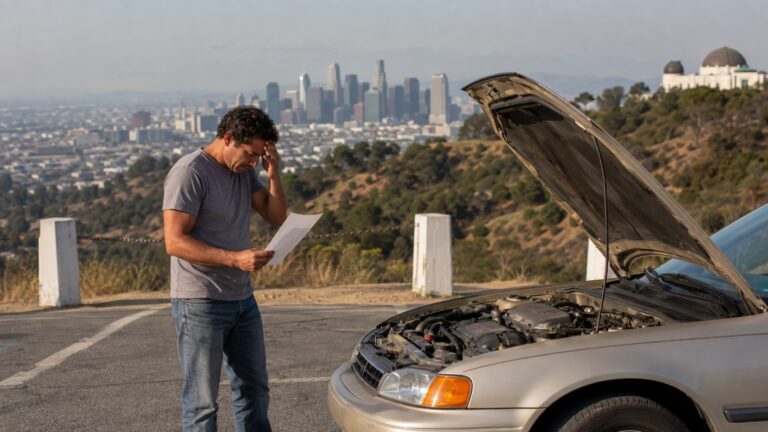
There was a post from someone in California who bought a used car and then discovered the salvage certificate was stamped “Export Only”. The buyer and his wife had already completed the purchase before realizing that the paperwork was not what they expected. They knew what a salvage vehicle was in the general sense, but they had never dealt with a salvage certificate carrying an export restriction, and suddenly the problem was not whether the car ran well or whether they had paid a fair price. The problem was whether the paperwork would allow them to do what they thought they had just paid to do.
That is an important distinction because people tend to treat every unusual title as the same kind of problem. Clean title, salvage title, rebuilt title, missing title, lien, export paperwork. They all sound like variations of “the paperwork is a little complicated.” They are not. A cash for salvage vehicles transaction is primarily shaped by the vehicle's condition, title history, insurance history, and what the paperwork allows the next owner or dismantler to do. A document stamped with a restriction can become a transfer and registration issue, and that can stop an otherwise perfectly usable car from functioning like a normal purchase.
The Reddit story eventually had an unusual ending. According to the buyer’s update, the seller came back a few hours later with new plates, tags and registration in the buyer’s name, apparently with help from a family connection at a third-party DMV service. So in that particular case, the immediate problem appears to have been resolved. But the fact that it was resolved does not make the situation normal. It shows how much of a used-car transaction can depend on paperwork that most buyers barely look at until after money has changed hands.
The Paperwork Can Become the Bigger Problem
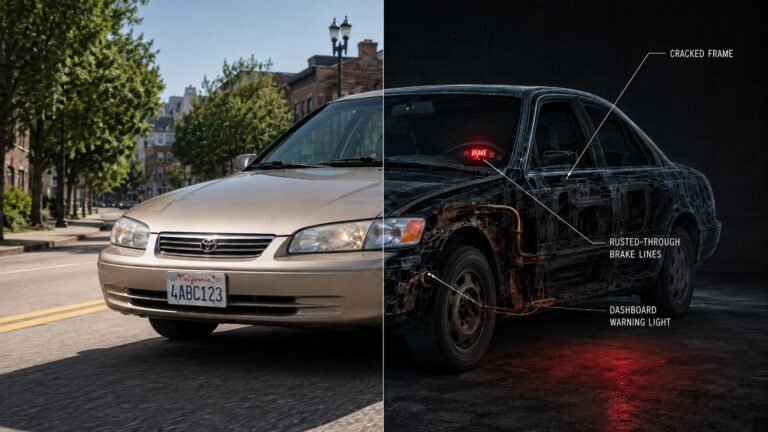
A salvage car is relatively easy to understand conceptually. Something happened to the vehicle in the past that changed its title status. Maybe it was badly damaged. Maybe an insurer declared it a total loss. Maybe it was repaired afterward. Whatever the story, the buyer knows that the title history will affect value and possibly what needs to happen before the vehicle can be registered or sold again.
“Export Only” introduces a different question because now you are not simply asking what happened to the car. You are asking what the document itself allows.
That is where buyers can get into trouble by focusing too much on the physical vehicle. The engine sounds good. The transmission shifts correctly. The body looks straight. The seller has an explanation. The price looks attractive. All of those things can be true while the paperwork still contains a problem big enough to derail the sale.
It is also why an unusual title should never be treated as something to figure out later. People understandably want to inspect the mechanical side first because that is where the expensive surprises usually live. They check the tires, listen for engine noise, look for leaks, run the VIN, and maybe pay for a pre-purchase inspection. Then the title gets a quick glance at the end because it feels administrative.
With a salvage or restricted document, the name, VIN, title status, unusual wording, stamps, and restrictions should all make sense before money changes hands.
The name should make sense. The VIN should match. The title status should match what the seller told you. Any unusual wording, stamps or restrictions should be understood before money changes hands. If something on the document is unfamiliar, that is not the moment to assume it is probably fine because the seller seems trustworthy. It is the moment to stop the transaction long enough to understand exactly what the document means.
That does not mean every unusual document signals fraud. The Reddit story is actually a good example of why jumping immediately to that conclusion can be wrong. The seller apparently came back and got the buyer properly registered. What looked alarming at first may have involved a paperwork situation the seller knew how to resolve. But the buyer had no way of knowing that when the “Export Only” stamp first became obvious, and that uncertainty is exactly the problem.
Selling a Problem-Title Car Is Different From Selling a Problem Car
If you are the person selling the car rather than buying it, complicated paperwork changes the market in the same way. A normal private buyer wants a transaction they can understand. They want to pay for the car, receive documents they recognize, transfer ownership and move on. The more unusual the title situation becomes, the more buyers start worrying about DMV visits, rejected applications, delays, extra inspections, prior salvage history and whether they will eventually be able to resell the vehicle themselves.
That uncertainty comes directly out of the selling price.
The car may be mechanically identical to another one sitting across town, but the easier car to transfer will usually be easier to sell. That is why unusual title situations can create a value problem even when nothing is mechanically wrong. Buyers are not just purchasing the vehicle. They are purchasing the ability to become the recognized owner of that vehicle without inheriting somebody else’s paperwork mess.
This is where sellers sometimes make things worse by trying to minimize the title issue. They describe the car as “salvage” when the actual document contains something more unusual. They say the buyer can “just go to DMV” without really knowing what will happen there. They assume the vehicle must be transferable because they have possession of it.
That may get more people interested initially, but it creates the exact kind of transaction that falls apart after somebody has already driven across town with cash.
A better approach is to identify the actual document first and describe it accurately. If there is a restriction or unusual notation, find out what has to happen before a normal transfer can take place. If additional paperwork is required, say so. If the situation has already been corrected, keep the documents showing that correction.
The same principle matters when selling a vehicle that already has a salvage history. There is still a market for these cars. A salvage title does not erase the value of the engine, transmission, body, wheels, interior and other usable components. But the title status is part of the car’s value just as surely as mileage and condition are.
There are also title problems that do not involve salvage at all. A seller may have lost the title, inherited a car without properly transferring it, discovered a lien, or have paperwork that is otherwise incomplete. Those situations are different from an “Export Only” restriction, but the broader lesson is the same: the paperwork itself can become the main obstacle to the sale. That is why pages about selling a car without a title or selling a car with a lien exist separately from ordinary vehicle-condition pages. The problem is not always what is wrong with the car. Sometimes it is what is wrong, missing, or unresolved on paper.
Know What Can Actually Be Transferred Before You Price the Car
A buyer that regularly handles salvage and problem-title vehicles may be more comfortable evaluating a car with unusual history than an ordinary private buyer, but even then the paperwork still matters. A professional buyer cannot simply pretend an ownership restriction does not exist. The title situation needs to be understood so everyone knows what can actually be transferred.
That distinction is important because owners sometimes think selling to a cash-for-cars company somehow makes title problems disappear. It does not. What it can do is put the vehicle in front of a buyer that has seen salvage and unusual-document situations before and can tell the seller what information needs to be clarified before the transaction moves forward.
If the car is genuinely a salvage vehicle and the paperwork can be transferred, a buyer that purchases salvage vehicles as-is may be a much more natural audience than a private buyer who wants a simple, ordinary used-car transaction. If the paperwork itself is the obstacle, that needs to be sorted out first.
The useful lesson from the Reddit story is not that every “Export Only” stamp means the buyer is doomed. In this case, the seller apparently managed to straighten the registration out the same day. The useful lesson is that the phrase changed the entire transaction until somebody proved what could actually be done with the paperwork.
A salvage car is something you can value. You can look at its condition, repair history, mileage and market demand and decide what it is worth. A title restriction is different. Before you can worry about what the car is worth, you need to know whether the document in your hand actually lets the next owner do what they think they are buying the car to do.
Frequently asked questions
Is an Export Only title the same as a normal salvage title?
No. A salvage title primarily reflects vehicle history and condition. An Export Only restriction can create a separate transfer or registration issue because the document itself may limit what can be done with the vehicle.
Should unusual title wording be checked before buying a car?
Yes. The name, VIN, title status, stamps, restrictions, and any unfamiliar wording should be understood before money changes hands.
Can a salvage vehicle still have value?
Yes. A salvage title does not erase the value of the engine, transmission, body, wheels, interior, and other usable components, although title history affects the market and selling price.
Does selling to a cash-for-cars company make title restrictions disappear?
No. A professional buyer still needs to understand what can legally and practically be transferred. What changes is that an experienced buyer may be more familiar with salvage and unusual-document situations.
Know what the paperwork allows before deciding what the car is worth
If the vehicle has salvage history or unusual title paperwork, Cash Cash Cars can help you start with the car’s current condition while you confirm what can actually be transferred.
Vehicle offers depend on ownership documents, actual condition, location, title status, transferability, and other transaction details. This article provides general information and is not legal or DMV advice.