A Car Can Still Run Great and Be at the Point Where You Should Sell It
A car does not have to break down before selling becomes reasonable. Strong current value, rising mileage, recent repair history, fuel costs, and plans for a replacement can all make selling while the vehicle still runs well worth considering.
When Running Well Is Part of the Opportunity
A Car Can Still Run Great and Be at the Point Where You Should Sell It
Selling does not always begin with a breakdown. Sometimes the strongest moment to consider the decision is while the car still runs well, still has a broad buyer pool, and still gives the owner time to compare the numbers without urgency.
There was a post from the owner of a 2021 Jeep Grand Cherokee that is interesting precisely because nothing is badly wrong with the vehicle right now. The Jeep has about 93,000 miles and, according to the owner, it runs great. But it has already needed a radiator, hoses and shocks, and the air conditioning lost refrigerant the previous year even though the mechanic apparently could not find a leak. The owner still has about a year and a half left on the loan and is thinking about trading the Jeep for a 2026 Honda Accord Hybrid. The reasons are fuel economy, a long commute, lower financing and, maybe most importantly, worry about what the Jeep might need next.
That is a harder decision than selling a car after the transmission has failed or the engine has stopped running. When the car is broken, the repair bill forces the question. When the car is running perfectly well, selling can feel wasteful.
You have just spent money replacing parts. The vehicle is working again. There are no warning lights forcing your hand. In a strange way, that can be exactly when the decision deserves the most attention.
Running Great Does Not Mean the Timing Is Wrong
The usual advice is to keep a paid-for or nearly paid-for car as long as possible because replacing it creates another round of payments, taxes, registration and depreciation. That is good advice much of the time. A newer car is not automatically cheaper just because an older one has needed repairs.
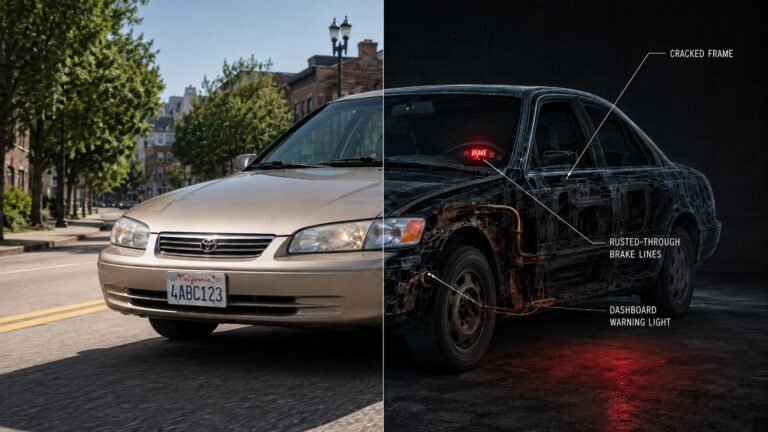
But there is another side to it. Waiting until the current vehicle actually has a major failure can mean waiting until its selling value has already taken the hit.
The Jeep in this situation is not some 20-year-old beater hanging on by a thread. It is a 2021 vehicle with 93,000 miles that currently drives well. That means it still sits in a very different market from the same Jeep with an overheated engine, failed transmission or electrical problem six months from now.
That difference is what makes “sell while it still runs” a legitimate financial strategy rather than just paranoia.
The key is separating repairs that have already happened from the risk of repairs that might happen next. Replacing the radiator, hoses and shocks does not prove that the Jeep is about to become unreliable. Those repairs may actually mean the vehicle is in better condition now than it was before the work. The money has already been spent, the parts are new, and there is no reason to sell simply because the repair history looks longer than it used to.
At the same time, repair history can change the owner’s confidence in the vehicle. Once several systems start needing attention around the same period, people naturally begin asking whether they are seeing normal wear or the beginning of a more expensive phase of ownership.
That question becomes more important when the mileage is climbing quickly because of a commute.
A car at 93,000 miles is not old in the way people once thought of 100,000-mile vehicles, but mileage still accumulates wear. The transmission, wheel bearings, suspension components, cooling system, engine mounts, electronics and every other part continue aging even while the car runs perfectly today.
A functioning vehicle and the ability to sell it as a functioning vehicle. If a major repair arrives later, the car will still exist, but the second advantage can disappear overnight.
The Replacement Has to Make Financial Sense Too
That does not mean the right answer is automatically to trade the Jeep. The replacement matters just as much as the sale. A new Accord Hybrid may use less fuel, but it also starts another five-year financing cycle. Similar monthly payments can hide the fact that one loan has only a year and a half left while the other stretches much farther into the future.
Monthly payment is therefore a poor way to compare the two choices by itself.
The better comparison is what the Jeep is likely to cost from this point forward versus the total cost of replacing it. That means remaining payments, expected fuel, insurance, realistic maintenance, likely repairs and how long the owner intends to keep either vehicle.
There is also another number worth knowing before entering the dealership: what the Jeep is actually worth to somebody who wants to buy it today.
Trade-in value and sale value are not always the same thing. A dealer is negotiating the old car and the replacement at the same time, which can make it difficult to see exactly where the money is moving. A generous-looking trade number can be offset somewhere else in the transaction.
Know the Car’s Value Before You Walk Into the Dealership
Getting a separate cash offer first creates a reference point. That is especially useful when the vehicle is still in good condition. Cash-for-cars is often associated with junk cars, wrecks and vehicles that barely run, but buyers such as Cash Cash Cars also purchase used cars that are still in good condition. Knowing that number before negotiating a trade tells the owner whether the dealership is genuinely offering strong value for the Jeep or simply moving figures around inside a larger deal.
There is also a psychological benefit to finding the number while the car is still healthy. Owners tend to postpone valuation until something breaks. Then they discover the vehicle was worth substantially more in the condition it was in a month earlier.
If the current as-is offer is strong and the owner was already thinking seriously about switching to something more efficient, selling before the next repair can make sense. If the offer is disappointing and the Jeep is running beautifully after the recent work, keeping it through the final year and a half of the loan may make much more sense.
The point is not to predict the next failure. Nobody can do that with confidence from a radiator, shocks and an A/C recharge alone. The point is to recognize that “the car still runs great” is not an argument for ignoring the sell decision. Sometimes that is the very thing that makes selling financially attractive.
Selling Before the Failure Can Preserve Your Options
Once a car actually becomes a problem vehicle, the owner usually has fewer options. A dealer may reduce the trade offer. Private buyers become more cautious. Repairs may have to be disclosed. Towing may enter the picture. If the Jeep did later develop a major mechanical issue, the owner would then be comparing a repair bill against the value of a vehicle that now belongs in the vehicles needing repair market instead of the normal used-car market.
That is why the timing question matters. Selling a running car and selling a broken car are not simply the same transaction at two different prices. The buyer pool changes, the negotiation changes, and the seller’s leverage changes.
The owner also does not have to choose between trading the Jeep immediately and driving it until something catastrophic happens. There is a middle option: find out what it is worth now, continue driving it while that number is still useful, and revisit the decision as the mileage and repair history change.
That is much more rational than waiting for a dashboard warning light to make the decision for you.
Right now, the Jeep owner has the luxury of deciding without urgency. That may ultimately lead them to keep the vehicle, pay it off and drive it for years. There is nothing wrong with that outcome. In fact, financially it may be the better one.
But if they already want better fuel economy, already expect to replace the Jeep in the near future and can get a strong price while everything works, waiting for a major repair simply to prove that it was “time” to sell does not automatically make sense.
A vehicle does not have to be broken before selling becomes reasonable. Sometimes the best thing a car has going for it at the moment you decide to sell is that there is absolutely nothing wrong with it.
Frequently asked questions
Does a car need to be broken before it makes sense to sell it?
No. A car can still run well and be worth selling if the owner already expects to replace it, wants better fuel economy, is adding mileage quickly, or can still get a strong price before a major repair changes the market.
Do recent repairs mean I should sell the car?
Not by themselves. New parts may leave the car in better condition than before. The more useful question is whether the repair history, mileage, ownership costs, and future plans have changed the owner’s confidence in keeping the vehicle.
Why should I know the car’s value before going to a dealership?
A separate cash offer gives the owner a reference point before the trade-in and replacement vehicle are negotiated together.
What is the advantage of selling before a major failure?
A running vehicle usually has a broader buyer pool and stronger negotiating position than the same vehicle after a major mechanical failure.
You do not have to wait for something to break before checking the number
If the car is still running well, a current offer can help you decide whether selling now or continuing to drive it makes more financial sense.
Vehicle offers depend on ownership documents, actual condition, location, title status, mileage, and other transaction details.