Insurance Didn’t Total Your Car Because It’s Ugly, But Because Of A Number You Never See
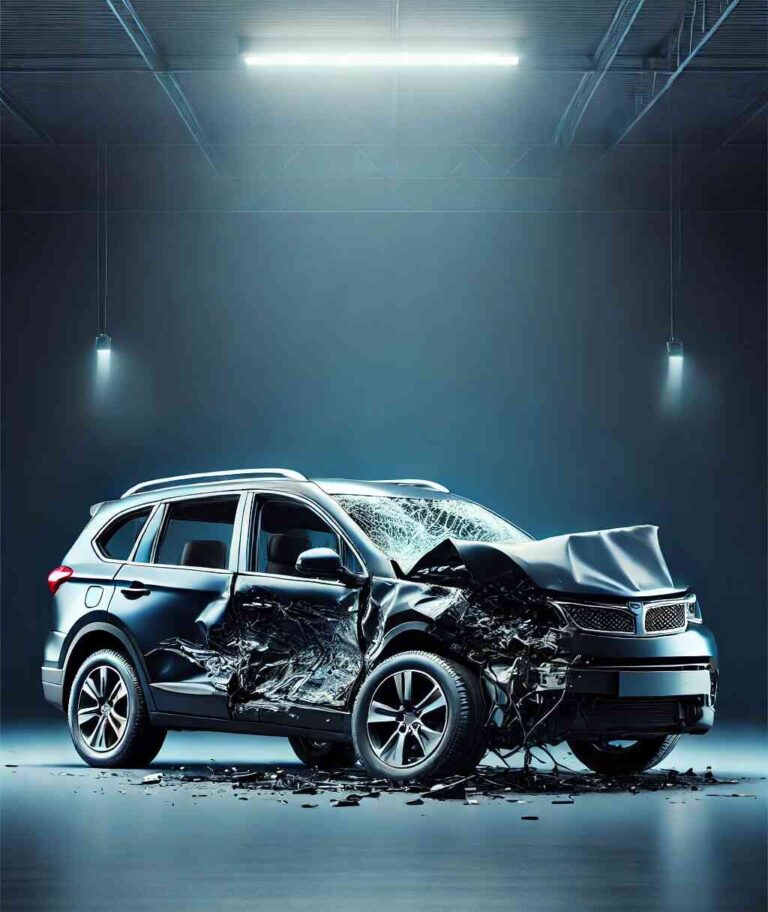
Someone posted about their 2024 Mustang EcoBoost, with 50,000 miles, that was damaged in a front-end crash. They still owe $14,000 on it. The insurance company comes back and says it’s a total loss due to which the owner is stuck trying to figure out what a fair payout even looks like.
The comments split the usual way. Some insisted that insurers total cars just to avoid paying for repairs. Others said that if the insurance company says “total,” the car must genuinely be destroyed.
But here’s what’s actually happening. Totaled isn’t a description of how bad the car looks. Rather, it is the outcome of a math formula that most people never see. Here’s what’s really going on underneath that decision, and why it matters more than the dent does.
“Totaled” is just a percentage
Insurers total a car when the estimated repair cost exceeds a set percentage of the car’s actual cash value right before the crash, which is usually around 70 to 80 percent, depending on the state and the insurer.
- That threshold is a business rule, not a visual inspection standard.
- A car can look rough and still be under that number.
- A car can look fine and still be over it, especially if hidden damage (sensors, frame alignment, airbag systems) drives the estimate up fast on newer vehicles packed with tech. The dent you can see in the photo has almost nothing to do with which side of that percentage the car lands on.
Your loan balance and the payout are two completely different numbers
This is where the thread gets tangled. The owner keeps comparing the $14,000 they owe to what they expect the payout to be, as if those two numbers are supposed to match.
However, the numbers are not related at all.
- The payout is based on actual cash value the moment before the crash.
- The loan balance is based on what’s left on a financing schedule.
- A newer car with high mileage or a rough options package can easily have an ACV lower than the payoff, creating a gap that has nothing to do with whether the insurer lowballed anyone. That gap is exactly what gap insurance exists to cover. If nobody bought it, the difference becomes the owner’s problem, not the insurer’s mistake.
The first offer is only a starting point
Insurers build their initial number off automated valuation tools that usually rely upon broad regional data, which is not always specific to the car in front of them.
- Comparable sales for the exact year, trim, and mileage often support a higher number.
- Documented maintenance and recent upgrades rarely get factored into that first offer automatically.
- Pushing back with your own comps is normal, expected, and often successful.
Treating the first number as final is how people leave real money on the table.
That is why the lesson is that a total loss call isn’t a judgment on how bad your car looks. It’s a formula that compares repair costs to actual cash value, and your loan balance was never part of that equation to begin with. Before accepting anything or getting angry at the outcome, you should pull out your own calculators, check your gap coverage, and treat the first payout number only as a proposal, which may not be the final answer.