Used Car Failed After Two Weeks: What to Do Next | Cash Cash Cars
A used Ford with only 57,000 miles failed within two weeks of purchase, and the dealer offered just $500 toward the repair. Here is what that offer may reveal, what evidence to collect, and why an independent inspection matters.
When a “Good Used Car” Fails Immediately
“It Lasted Two Weeks” Isn't a Freak Accident, It's What Happens When Nobody Slows Down to Actually Look at a Car
A used Ford with 57,000 miles failed almost immediately. The real question is not only whether to take the dealer's $500. It is what that offer reveals, what evidence to gather, and what should have happened before the sale.
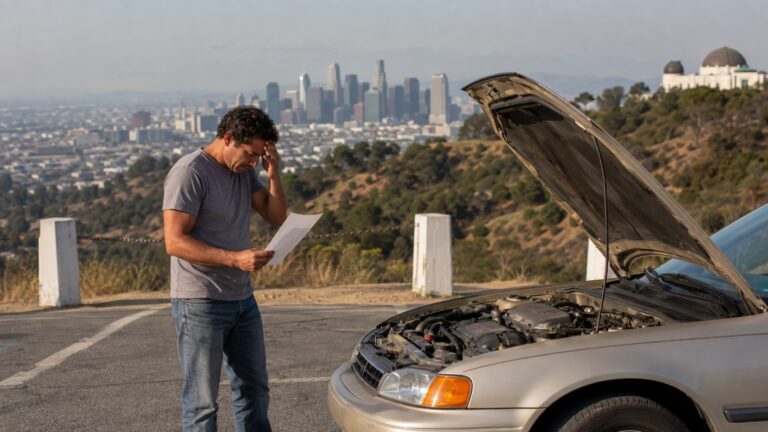
There's a post from someone who bought a used Ford with 57,000 miles on it, and within two weeks the thing had basically fallen apart on them. They're already past the warranty window, which is its own kind of insult, and now they're stuck wrestling with repair shops just trying to get the truck running again.
The dealership offered them five hundred dollars toward the repair bill, and now they're sitting there trying to figure out the right move. Do they take the five hundred and then push for more afterward, or do they hold out and ask for more first, worried the dealer will quietly back away from the offer entirely if they push too hard?
It's a small, specific question on the surface, take the money now or wait, but underneath it is a much bigger thing that almost never gets talked about honestly.
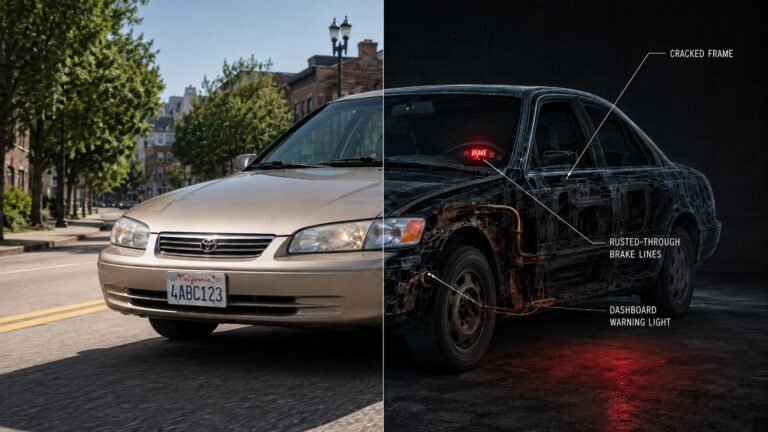
Cars do not usually decide to fall apart out of nowhere fourteen days after a sale. Something was already wrong, or already close to wrong. It either did not get caught, or it got caught and nobody mentioned it.
What probably happened before the sale
Think about what actually happens in the run-up to most used car sales. A trade-in comes onto a lot, or a dealer buys it at auction, and the priority from that point forward is turning it around fast.
The vehicle gets cleaned, detailed, and photographed so it looks ready for the lot.
Visible or easily detected issues may be handled, while developing problems are easier to miss.
Every extra day costs the seller money, which makes speed part of the business model.
A real pre-purchase inspection, the kind an independent mechanic does on the buyer's behalf before any money changes hands, takes time and costs something. It is also very often the thing that gets skipped, either by the dealer internally or by the buyer who does not think to arrange one.
Fifty-seven thousand miles does not sound like a vehicle on its last legs. That is exactly why a failure this fast points more strongly toward a specific issue that was already developing.
What the dealer's $500 offer really means
When a dealer offers five hundred dollars toward the repair, they are putting a number on how much they are willing to acknowledge without actually admitting that anything went wrong on their end.
The honest answer to the “take it now or push first” question is usually to push first, gently, but push.
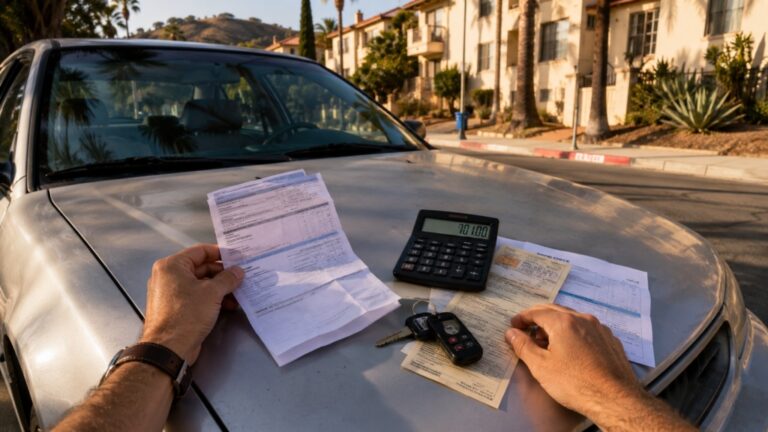
Get an actual diagnosis from an independent shop, not just a guess, and get a real number for what the repair costs. Then go back to the dealer with that number in hand. Not a feeling. Not frustration. A written figure.
Ask the dealer to cover it or split it, using the specific timeline, only two weeks after purchase, as leverage. If they were willing to offer five hundred without being forced to justify it, that suggests there may be room above five hundred. They started low because negotiations usually start low.
Go back with evidence, not just anger
The strongest conversation with the dealership is built around documentation. The more specific the evidence, the harder it is for the discussion to drift into vague sympathy without a real solution.
Ask the shop to identify the failed component and whether the condition appears recent or long-developing.
Bring labor, parts, taxes, and any diagnostic charges in one clear figure.
Purchase date, first symptom, date of failure, and the number of miles driven since the sale.
That evidence does not guarantee the dealer will cover the full repair. It does, however, move the conversation away from “please help me” and toward “this is what failed, this is what it costs, and this is how soon it happened.”
The $100 inspection that can prevent the $5,000 surprise
The bigger lesson underneath all of this, for anyone who has not bought their next used car yet, is that a fast failure like this is exactly what an independent pre-purchase inspection exists to catch before it becomes the buyer's problem instead of the seller's.
It costs around a hundred to a hundred fifty dollars in many places, and it is consistently one of the cheapest forms of protection available in the entire used-car buying process.
An inspection cannot guarantee that nothing will ever break. It can, however, reveal leaks, warning codes, worn components, evidence of rushed repairs, neglected maintenance, and problems that are already far enough along to matter.
If the repair battle ultimately becomes too expensive or exhausting, the vehicle may still have value in its current condition. Cash Cash Cars purchases vehicles needing repair and older unwanted vehicles, giving owners another number to compare against the cost of continuing.
Frequently asked questions
Should I accept a dealer's partial repair offer right away?
It is usually better to obtain an independent diagnosis and a written repair estimate first. That gives you a specific number to discuss before accepting a smaller goodwill contribution.
Why would a used car fail only two weeks after purchase?
A very fast failure often points to a problem that was already developing before the sale, rather than ordinary wear suddenly appearing all at once.
What should I bring back to the dealership?
Bring a written diagnosis, a detailed repair estimate, and a clear timeline showing how soon the failure occurred after purchase.
Is a pre-purchase inspection worth the cost?
Yes. An independent inspection can identify developing mechanical problems before the sale and is often far less expensive than dealing with a major repair immediately after purchase.
If the repair no longer makes sense, find out what the vehicle is worth as-is
A sudden failure does not automatically make the vehicle worthless. A real offer gives you another option to compare against the repair bill and the dealer's contribution.
Vehicle offers depend on ownership documents, actual condition, location, title status, and other transaction details. This article is general information and is not legal advice about warranties, dealer obligations, or consumer remedies.