Underwater Car Loan With a Blown Engine | Cash Cash Cars
A blown engine, a 23.79% interest rate, and $10,000 in negative equity can feel like one impossible crisis. The safer way forward is to separate the loan, the car’s remaining value, and the next purchase into three different problems.
When Three Car Problems Arrive at Once
Being $10,000 Underwater With a Blown Engine Sounds Like the End of the Road, But It's Just a Math Problem With Extra Steps
A failed engine, a brutal interest rate, and negative equity feel like one giant crisis. They become more manageable the moment you stop treating them as one problem.
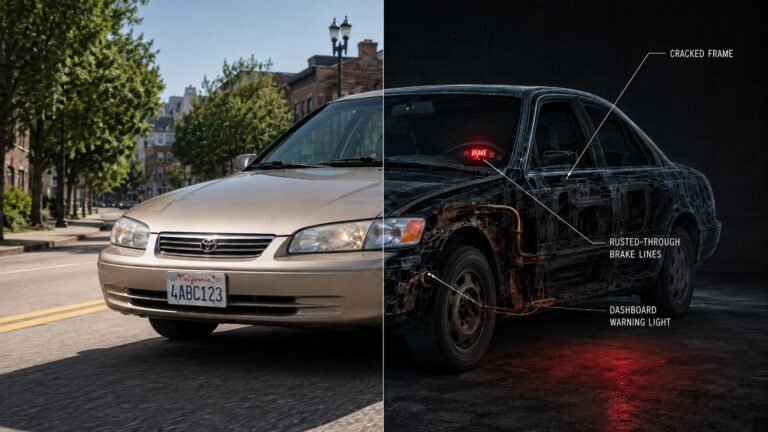
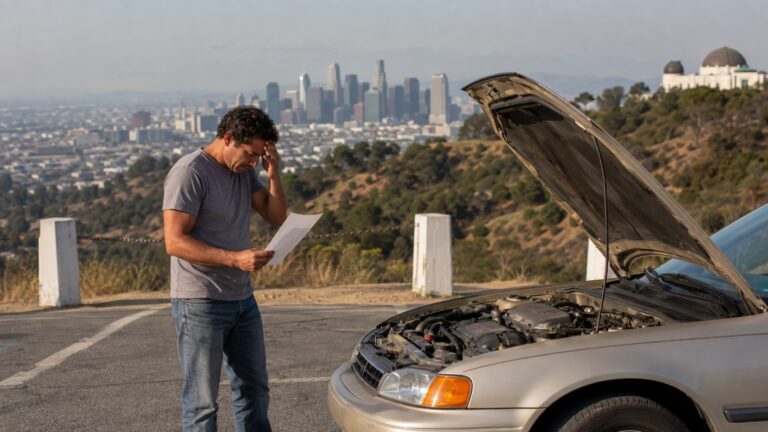
There's a post that showed up recently in one of the car subreddits from someone in a genuinely rough spot. They owe about $10,000 more than their car is actually worth. The loan is sitting at 23.79% interest, which is the kind of number that makes you do a double take. On top of all that, the engine just failed completely. Credit score's around 606.
They asked, pretty simply, how they get out of this and into something reliable. Before much of a real conversation could form around it, the post got taken down. It ended up cross-posted in a second subreddit too, same story, same numbers, same question hanging there unanswered.
But the situation itself is common enough, and painful enough, that it's worth actually sitting with, even without a full thread of replies attached to it.
The natural reaction when you're staring at a pile of bad news like that is to feel like the whole thing is one giant, tangled mess with no way through. It isn't, though, not really. It just looks that way because three separate problems happened to land on the same person at the same time and got stuck together in the panic of the moment.
Once you pull them apart and look at each one individually, they're actually pretty ordinary problems. Annoying, sure. But ordinary. And ordinary problems have known paths through them.
The interest rate is making every month harder than it needs to be.
A failed engine reduces value, but it does not automatically erase it.
Rolling everything together may only move the same problem forward.
Start with the interest rate
Start with the interest rate, because it's the piece people get most wound up about and also the piece that's easiest to actually do something about.
A rate like 23.79% isn't some predatory trick or a sign that the lender is out to get you. It's basically what risk pricing can look like when a credit score sits in the high five hundreds to low six hundreds range.
Refinancing later may not reduce the principal balance, but it can change what that debt costs every month.
Here's the part that gets missed though: that rate isn't permanent. It's not baked into the car forever. Even without the credit score improving dramatically, refinancing six months or a year down the road, once some payment history has been built, may reduce that rate meaningfully.
It won't touch the amount actually owed, but it changes what the debt costs every single month. That can be the difference between a payment that's merely annoying and one that's actively suffocating the budget. That's worth chasing on its own, completely separate from anything else going on with the car itself.
A blown engine does not make the car worthless
Then there's the engine, and this is where people tend to give up mentally before they've actually run any numbers.
There are buyers who specifically look for cars in exactly this condition, whether they want to repair and resell the vehicle, part it out, or use it for something else that does not require a working engine.
That value is not going to erase a $10,000 hole in one shot, and nobody should expect that. But it is not zero either. Every dollar that comes out of that car is a dollar that does not have to be financed all over again into the next one.
The first concrete move is not spiraling about how bad things are. It is finding out what the car is actually worth sitting exactly as it is right now, blown engine and all. Cash Cash Cars purchases vehicles needing major repair, which gives the owner a real number to use instead of assuming the answer is nothing.
Do not solve all three problems with one bigger loan
And then there's the third piece, which is honestly the one that trips people up more than either of the other two, even though it gets the least attention. It's the pull to solve everything at once.
The instinct, once you've got a dead car and an underwater loan, is to roll the whole mess into one new loan for something that actually runs and get everything wrapped up in a single trip to a dealership. It feels efficient. It feels like closure.
When the old $10,000 gap is folded into a new loan, the next car can begin underwater on day one.
But what often happens is that the new loan starts underwater too, because the old $10,000 gap did not disappear. It was quietly folded into a bigger number attached to a different car.
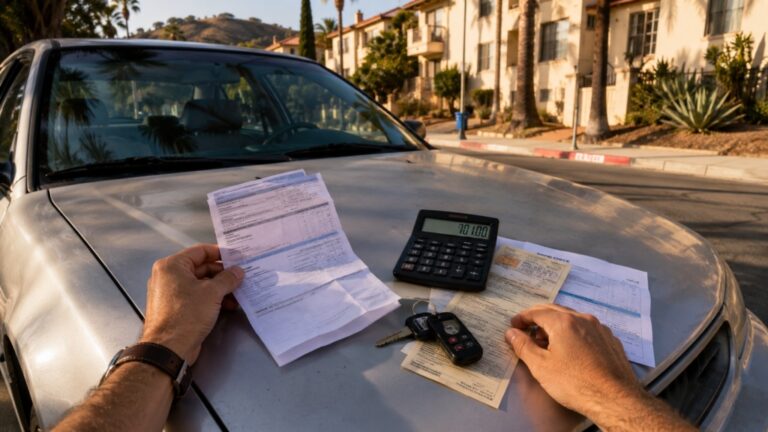
The steadier path, even though it takes longer and feels less satisfying in the moment, is handling these pieces one at a time. Deal with the current loan on its own terms. Get whatever real value exists in the dead car and put that toward the balance. See what refinancing can do to the rate once there is more payment history.
Only once that is genuinely settled should the next-car search begin with something closer to a clean start, instead of dragging last year's problem into next year's car payment.
The practical order of operations
None of this is really one impossible situation, even though it absolutely feels like one when you're the person living inside it at two in the morning doing math on your phone.
It is three separate, pretty ordinary problems that happened to show up together. Handle the rate as its own thing. Get a real, honest number for what the car is worth instead of assuming the worst. Resist the very human urge to fix all of it in one dramatic move, because that is often how people end up back in the same spot a year later, just with a different car and a slightly higher number attached to it.
Request a real offer for the car with the failed engine.
Use the car's remaining value to reduce what still has to be dealt with.
Avoid letting the old shortfall quietly become part of the next loan.
If the car itself is genuinely at the point where it just needs to go, a buyer who takes cars with major mechanical failure as-is can turn that “worthless” wreck into real cash toward closing the gap. That piece, more than anything else here, tends to be what makes the rest of the plan doable instead of theoretical.
Frequently asked questions
Is a car with a blown engine worth anything?
Yes. A car with a failed engine may still have value to buyers who repair vehicles, resell usable parts, or purchase non-running cars in their current condition.
Does selling the car erase the remaining loan balance?
No. The sale proceeds reduce the balance, but the borrower remains responsible for any amount still owed after the vehicle is sold.
Should negative equity be rolled into another car loan?
Rolling negative equity into a new loan can make the next loan larger and leave the borrower underwater again from the start. The numbers should be reviewed carefully before choosing that route.
What is the first practical step after an engine failure?
Get a real offer for the vehicle in its current condition. That establishes how much value can be applied toward the loan instead of assuming the car is worthless.
Find out what the car is worth before deciding what comes next
A failed engine changes the value, but it does not automatically erase it. A real offer gives you one firm number in a situation that otherwise feels full of guesses.
Vehicle offers depend on ownership documents, actual condition, location, title status, lender requirements, payoff procedures, and other transaction details. This article is general information and is not financial or legal advice.