Two Problem Cars? Which One Should You Sell First? | Cash Cash Cars
When two unwanted cars both need work, selling the easier one first can feel like progress. But the vehicle most likely to deteriorate or lose buyers while you wait is often the one that should go first.
When “Easy to Sell” Is the Wrong Priority
If You Have Two Problem Cars, the Hardest One to Sell Is Usually the One That Should Go First
Getting rid of the easier car feels productive. But if the worse vehicle is actively losing value, waiting on it can cost more than the convenience you gain by selling the easy one first.
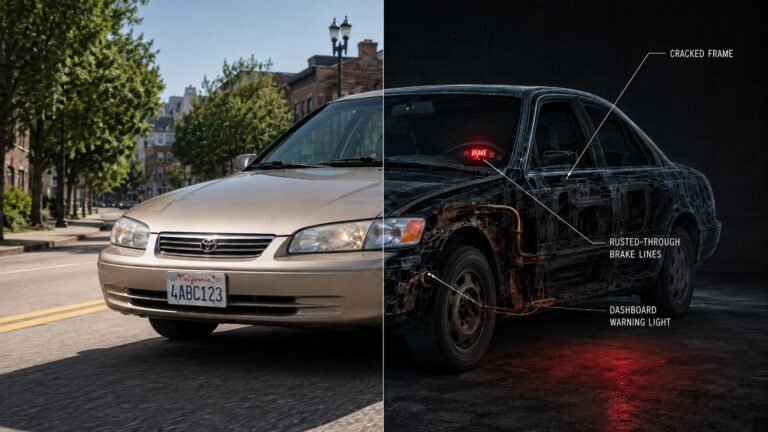
About 140,000 miles, a blown turbo, and water in the oil. The problem is active and may still get worse.
Still runs, but has sat for years. It already looks like a project to the market.
There was a post from someone trying to clear out two old cars before moving on to a used Volvo XC90.
One was a 2014 Land Rover Discovery 4 with around 140,000 miles, a blown turbo, and water in the oil. The other was an older Mercedes SLK 230 that still ran but had been sitting for so long the tires had effectively become part of the concrete underneath it.
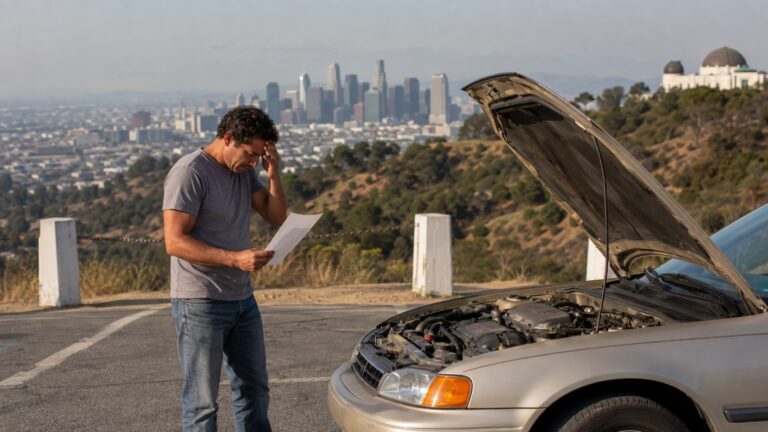
The obvious question was what each one was worth. But there was another problem hiding underneath that one: when you have two problem cars and only want to keep neither of them, which one should leave first?
Why selling the easy car first can be backwards
Most people start with the easier car because it feels productive. The one that starts, moves, and looks less intimidating gets listed first. It attracts more buyers, needs less explanation, and gives the seller the satisfaction of getting one vehicle out of the way.
The harder car gets pushed to the side because dealing with it looks like a bigger project. That is understandable, but it can be backwards financially.
The easier car may be simpler to sell, while the harder one may be losing value every week it sits.
The Land Rover is the car whose downside is still moving
A blown turbo is already enough to narrow the buyer pool, but water in the oil introduces the possibility of a much bigger engine problem.
Even if the car is still technically running, every extra start, every extra mile, and every week spent sitting with contaminated oil could make the situation worse.
A buyer looking at it today may price in the possibility of engine damage. A buyer looking at it after the engine stops turning altogether no longer has to price in the possibility. They know the worst-case scenario has arrived.
A transmission starts slipping, then stops moving. An overheating problem becomes a warped head. A turbo problem becomes oil starvation or contamination. A battery problem on a long-sitting car becomes a car that cannot be demonstrated at all.
Each step removes another category of buyer and pushes the vehicle closer to pure parts or scrap value.
The SLK has problems too, but the market already expects them
A car that has already been sitting for years may still be deteriorating, but the market already sees it as a project. The tires are old. The fluids are old. The buyer is already assuming work.
Unless something catastrophic happens while it sits, the difference between selling it this week and selling it a month from now may not be as dramatic as the difference with a vehicle that is actively showing signs of serious mechanical failure.
The question is not which car is easiest to sell. It is which car carries the greatest risk of becoming harder to sell if nothing is done.
Do not spend the easy car's repair money while the worse car keeps deteriorating
There is also a cash-flow reason to handle the worse car first. People often repair the easier vehicle because it feels more manageable, then use money they could have applied to the bigger problem.
They put tires on the old project car, replace a battery, change fluids, and make it nicer for the eventual buyer while the vehicle with the serious engine problem continues sitting.
By the time they turn their attention back to the worse car, its condition may have deteriorated and the money spent on the easier one may not have raised its selling price enough to justify the effort.
Get real as-is offers on both cars before repairing either one
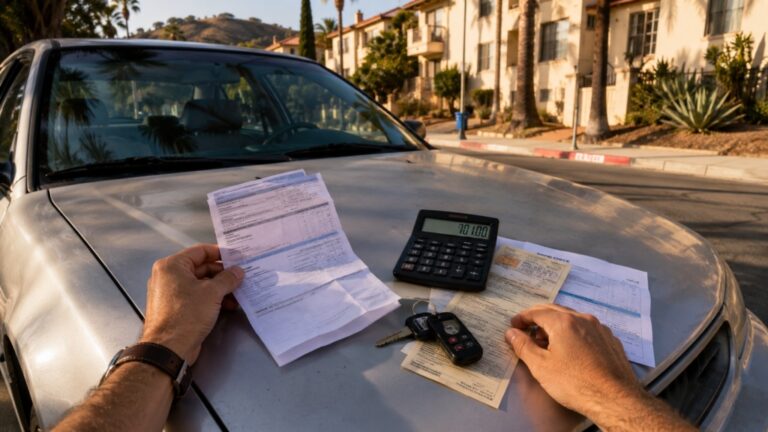
A cleaner approach is to get real as-is offers on both cars immediately, without repairing either one. That gives the owner two starting numbers and shows which vehicle the market is punishing more severely.
Selling it while that value is still there may make more sense than waiting for the perfect buyer and risking a bigger engine failure.
There may be less financial urgency unless the owner needs the space or its condition is also changing quickly.
This is where a buyer that handles old cars and vehicles needing repair can make the order much clearer. Once both vehicles have real numbers attached to them, the decision becomes less theoretical.
Keep the replacement purchase separate from the disposal problem
When people are eager to buy the next car, they start mentally combining everything. The old cars become trade-in money. Repairs become obstacles to the new purchase. A low offer feels offensive because it reduces the budget for the replacement.
That can lead to months of waiting for a better buyer while the worst vehicle keeps getting worse.
Otherwise the desire for the next car starts distorting what the current cars are actually worth.
The old cars should be valued as they are, sold in the order that makes the most sense, and only then should the replacement budget be finalized.
The rule is not “worst car first.” It is “greatest value risk first.”
There is no universal rule that the mechanically worst car must always go first. A rare project car may hold value surprisingly well. A desirable model may have buyers even when it barely runs. A less dramatic vehicle may be losing value faster because of rust, storage conditions, or paperwork problems.
But the basic principle still holds: the car with the greatest risk of becoming significantly harder to sell deserves attention before the one that is merely inconvenient.
Frequently asked questions
Which problem car should I sell first?
Usually the car whose condition is most likely to deteriorate or whose buyer pool is shrinking fastest deserves attention first, even if another car would be easier to sell.
Should I repair either car before getting offers?
Not necessarily. Getting real as-is offers on both vehicles first gives you a clean starting point before spending more money.
Why can problem cars lose value quickly?
Mechanical failures can worsen in steps. A vehicle that still runs today may become non-running later, which removes buyers and pushes it closer to parts or scrap value.
Should the replacement car budget be decided before selling the old cars?
It is usually cleaner to value and sell the old vehicles first, then finalize the replacement budget using the real proceeds rather than hoped-for sale prices.
If you have more than one problem car, get both numbers before deciding the order
Two as-is offers can show which vehicle is still holding value and which one is becoming more expensive to keep around.
Vehicle offers depend on ownership documents, actual condition, location, title status, mechanical condition, and other transaction details.