Car Stuck at a Mechanic for 48 Days? What to Consider?
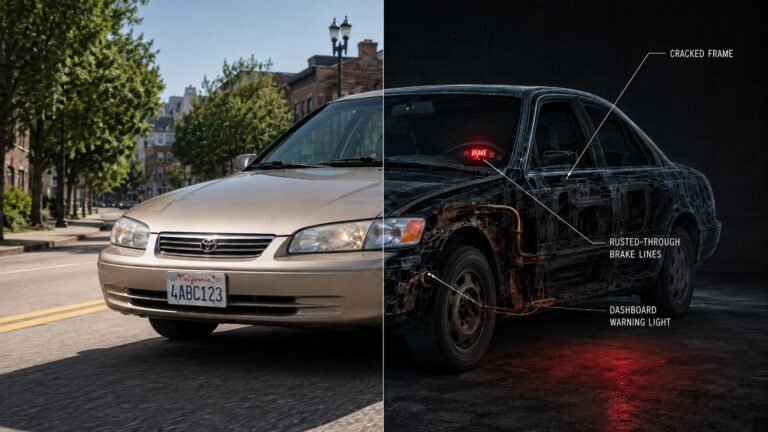
When a paid repair fails almost immediately and the car stays at the mechanic for nearly seven weeks, the problem is no longer only what broke. Lost transportation, repeated delays, sunk time, and the vehicle’s remaining value all become part of the decision.
When Waiting Becomes Part of the Repair Bill
When a Mechanic Keeps Your Car for 48 Days, the Repair Has Become a Different Problem
The clutch may still be the thing sitting on the lift, but after nearly seven weeks the owner is also dealing with lost use, repeated delays, sunk time, and a car that has become unavailable as an asset.
Originally brought in for a clutch replacement.
The repair was treated as complete and the bill was settled.
The car had to be towed straight back to the same shop.
The owner was still without the vehicle after 48 days.
There was a post from someone whose car had been sitting at a mechanic for 48 days after what was supposed to be a clutch replacement.
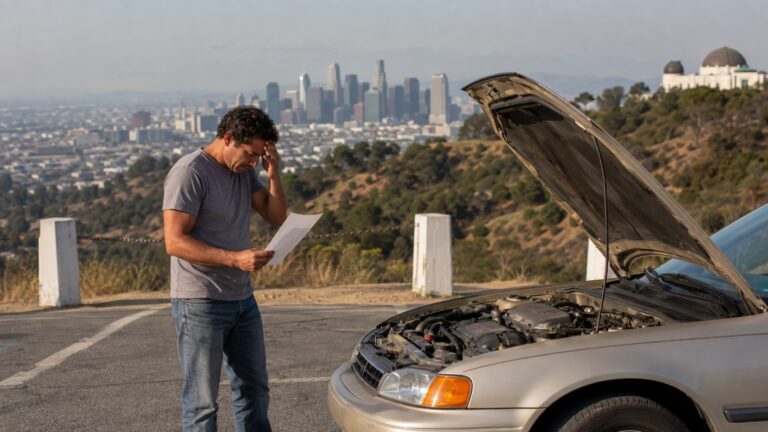
They first brought the car in on June 20, finally got it back and paid the bill in full on July 23, and then had to tow it straight back to the same shop the next day when the clutch failed because of a bad part.
Somewhere in the middle of all this, they also discovered damage to the clock spring that they believed the shop had caused. After some back and forth, the shop agreed to repair that without charging them, but by August 7 the clutch was still apart and the owner still did not have the car back.
Waiting has a cost even when nobody sends you an invoice
The clutch may be the thing sitting on the lift, but the owner is now dealing with something much bigger than a repair bill. They have paid for a completed job, the completed job failed almost immediately, the car went back to the same place, additional damage entered the picture, and nearly seven weeks of their life have been organized around a vehicle they cannot use.
A repair has an obvious dollar cost because there is an invoice attached to it. Waiting does not arrive on an invoice, so it feels free. It is not.
Every substitute trip changes the real cost of the repair.
Weeks of uncertainty become part of the owner's daily routine.
The vehicle can keep generating costs even while providing no transportation.
Even if none of those things creates one dramatic bill, together they change the economics of the repair.
Paying in full changes the owner's position
Before payment, there is at least a simple kind of leverage because the shop knows the job has to be finished before the invoice is settled.
Once the money has changed hands and the car comes back because the repair failed, the owner is suddenly waiting for the shop to correct work it has already been paid for.
Parts fail, complicated repairs go wrong, and a shop can genuinely need more time. But the original transaction was supposed to be over.
If the clutch failed the next day, then the owner never really received the thing they paid for, which was a repaired car they could actually use.
A second problem makes the first one harder to leave
The additional clock spring damage makes the whole situation harder to separate emotionally because now there is a second problem layered onto the first one.
The shop apparently agreed to address that damage, and the poster said that part had been completed, but every additional issue extends the amount of time the car stays unavailable.
An owner starts feeling trapped by the work already invested. Moving the car may be difficult because it is partially disassembled. Staying means accepting whatever completion date comes next.
Time can become sunk cost just like money
People usually think about sunk cost as money already spent on repairs, but time works the same way.
After two weeks, it feels foolish to pull the car because surely it must be almost done. After four weeks, leaving feels even harder because you have already waited a month. At 48 days, the natural instinct is to keep waiting because otherwise all those previous weeks seem wasted.
The decision changes when there is no believable end point
Waiting still makes sense when
- The shop can explain exactly what remains.
- The pending part or work is clearly identified.
- There is a believable completion date.
- The repaired car should still be valuable and reliable afterward.
Another option becomes reasonable when
- Every promised date becomes another promised date.
- The car already had limited value or other problems.
- The timeline remains completely uncertain.
- The waiting costs keep growing without transportation in return.
Walking away just because the situation has been frustrating could mean paying another shop to finish work that the first one should complete. But if there is no believable end point, the owner has to stop treating the car as if it is simply “in for repairs.”
At that stage it is an asset that is unavailable, partially repaired, and generating costs without providing transportation.
An as-is offer is information before it is a decision
The car itself matters. Waiting 48 days for warranty correction on a valuable vehicle that should be reliable once the clutch is properly repaired is very different from waiting 48 days on an older car that already had other mechanical problems.
The amount already paid does not determine what the owner should do next. The car's value once repaired, its likely reliability afterward, and the amount of additional money or time still required are what matter.
It simply puts another real number next to the repair decision.
If the car would be worth very little in its current state and the shop genuinely appears close to finishing the warranty work, waiting probably makes more sense. If the vehicle already had limited value, the repair timeline remains completely uncertain, and someone is willing to buy it in its current condition, then the owner at least knows there is another exit besides waiting indefinitely.
Selling a car from a mechanic shop has its own logistics
The owner needs to know exactly what has been paid, whether anything else is legitimately owed, whether the car can be released, and what condition it is physically in before arranging a sale or tow.
A vehicle that has its clutch apart is obviously different from one that can simply be driven away. The mechanic does not become the owner of the car just because it is sitting there, but getting a partially disassembled vehicle from one place to another can make an already frustrating situation even more complicated.
That is why a business that buys cars that are stuck at mechanic shops can become relevant in a situation like this. The point is not that someone should give up on a repair the moment a shop runs late. It is that there comes a stage where the owner deserves to know what the other option actually looks like.
If the car can be bought as-is and picked up from the shop without the owner first paying to make it retail-ready, that creates a real alternative to simply waiting for another completion date.
After 48 days, the real decision is about another week
The original clutch replacement may still end up being finished properly, and if it does, keeping the car could be the obvious choice.
But after 48 days, the owner is no longer deciding only whether a clutch can be repaired. They are deciding how much more time they are willing to give the repair, how much the finished car is worth to them, and whether waiting is still buying something valuable enough to justify another week.
Frequently asked questions
When does a repair delay become a different problem?
When the repair timeline becomes uncertain, the car remains unavailable for weeks, and the owner keeps absorbing transportation and time costs, the decision is no longer only about the original repair.
Should I keep waiting if the shop says the repair is almost finished?
If the shop can explain what remains, what part or work is pending, and provide a believable completion date, continuing may still be the easiest option.
Can getting an as-is offer help even if I do not sell?
Yes. An as-is offer gives you another real number to compare with the repaired value, remaining wait time, and additional costs.
Can a car be sold while it is still at a mechanic shop?
Potentially, but the owner needs to confirm what is paid, whether anything is still owed, whether the vehicle can be released, and what condition it is physically in before arranging pickup or towing.
If another promised date no longer feels like an answer, find out what the other option is worth
An as-is offer does not mean you have to stop the repair. It gives you a real alternative to compare against another week of waiting.
Vehicle offers depend on ownership documents, actual condition, location, title status, shop release requirements, and other transaction details. This article provides general information and is not legal advice about mechanic liens, warranties, or consumer remedies.