Why a Properly Stored Car Can Still Develop Problems | Cash Cash Cars
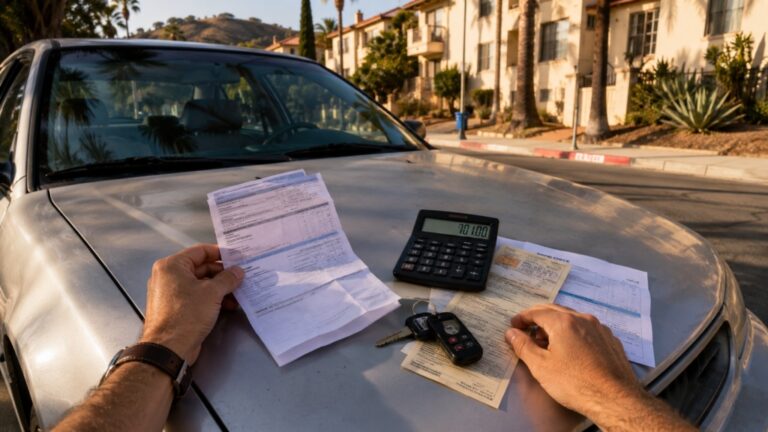
A carefully prepared 2017 Honda CR-V sat in a garage for eleven months and still came back feeling wrong. Old fuel, tire damage, and hidden condensation can cause problems even when a car was stored thoughtfully.
When Careful Storage Still Misses Something
A Car Stored “The Right Way” Overseas Can Still Come Back Wrong, and Almost Nobody Explains Why That Happens
The battery and tires are only the obvious parts. Fuel breakdown, condensation, hidden mold, and slow tire damage are what make a carefully stored car feel wrong when it finally comes back to life.
Someone posted about a 2017 Honda CR-V in excellent shape, with only about 50,000 miles on it and fully paid off, the kind of car most people would consider a genuine keeper.
Eleven months ago, their job moved them overseas. Not knowing for sure if or when they would be coming back, they decided to store the car in their mother's garage rather than sell it.
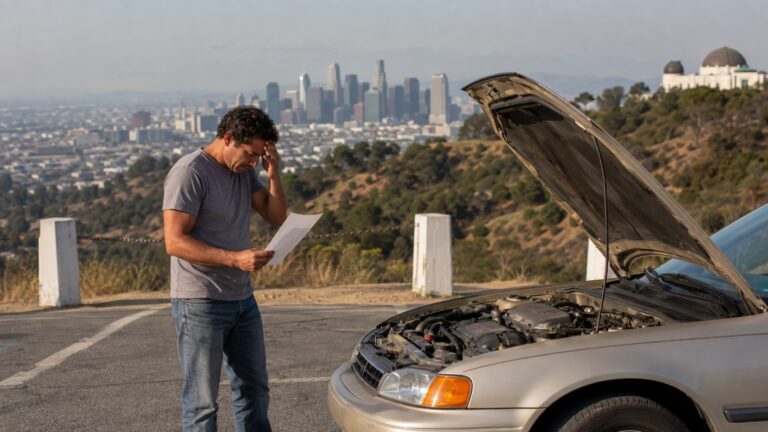
They did not just toss a cover over it and walk away. They researched proper long-term storage, bought the right supplies, and did real prep work. And it still came back wrong somehow. Now they are standing there asking what to actually do about it.
This one hits differently than a repair story or an accident story because there is no obvious moment to blame. Nobody crashed it. Nothing visibly broke. It just sat for almost a year.
The reason this keeps happening, even to careful owners who did their homework, is that most long-term storage advice focuses on the big obvious items and quietly skips the smaller things that cause the real damage.
What most storage guides quietly miss
Most long-term storage advice begins and ends with the battery, the tires, and a car cover. Those things matter, but they are not the whole story.
Gasoline can degrade during storage and create drivability problems that show up as several small symptoms instead of one obvious failure.
Flat spots, pressure loss, and early sidewall cracking can develop even when the vehicle never leaves the garage.
Repeated condensation can build inside the cabin and engine bay without a visible leak or standing water.
Mechanical systems, rubber, fuel, and interior materials continue changing even when the odometer does not move.
Fuel is one of the biggest problems nobody thinks hard enough about
Gasoline starts breaking down chemically during extended storage, especially when stabilizer was not added at the right concentration or was not added at all.
Once that happens, it can gum up injectors and fuel lines in ways that do not show up as one clean, obvious symptom. Instead, the car may idle poorly, hesitate, start harder than expected, or simply run a little wrong in several different ways at once.
That is why restarting a stored car and deciding it “seems fine” after a few minutes is not enough. The fuel system needs to be part of the inspection, especially after nearly a year of inactivity.
The tires and the moisture damage are easier to miss
Tires are another common problem. Even with the pressure kept high or the car raised, eleven months of sitting still through seasonal temperature changes can leave flat spots or slow sidewall cracking that is difficult to see during a quick walkaround.
Then there is the issue that catches people off guard most often: moisture.
A garage feels like a safe, dry, controlled space, but day-and-night temperature swings create condensation cycles inside the cabin and engine bay. A fabric cover does almost nothing to prevent that process.
Slow condensation is exactly how mildew, corrosion, and early rust can begin without anyone ever seeing a puddle.
That hidden moisture may first appear as a smell, a film on interior surfaces, light corrosion on electrical contacts, or an engine bay that looks only slightly different than before.
The right move is a close inspection, not a guess
None of this means the CR-V is secretly ruined. A car this low in mileage, this well cared for going into storage, and with real preparation already done is absolutely worth a proper inspection rather than a shrug and an assumption.
The move is not panicking and assuming the worst. It is also not assuming everything is fine just because the outside looks the same as it did eleven months ago.
- Inspect the fuel systemCheck fuel quality, injectors, lines, idle behavior, and any stored engine codes.
- Look closely at every tireCheck pressure, flat spotting, tread condition, sidewall cracking, and date codes.
- Check hidden interior areasInspect under mats, behind trim, around the spare-tire well, and other places where condensation can collect.
- Inspect the engine bay and electrical contactsLook for early corrosion, rodent damage, brittle rubber, fluid leaks, and moisture-related signs.
If the inspection turns up something more serious than expected, the car still has real value. Pages such as cash for vehicles needing repair and cash for old and unwanted cars give owners another option to compare against the cost of bringing the vehicle fully back.
Most of the time, though, a car stored this thoughtfully does not need to be written off. It needs someone to look closely instead of guessing.
Frequently asked questions
Can gasoline go bad while a car is in storage?
Yes. Fuel can begin degrading during long storage, especially when stabilizer was not used correctly. That can affect injectors, fuel lines, and overall engine performance.
Can tires be damaged even if the car was stored in a garage?
Yes. Tires can develop flat spots, pressure loss, or early sidewall cracking after sitting in one position for months, even when the vehicle was stored indoors.
How does moisture get into a garaged car?
Temperature changes can create repeated condensation cycles inside the cabin and engine bay. A fabric cover does not prevent that hidden moisture from forming.
What should be checked before driving a car after long-term storage?
Have a mechanic inspect the fuel system, tires, brakes, fluids, battery, engine bay, and interior areas where hidden moisture or early mold may be present.
If the inspection reveals more than expected, find out what the car is worth as-is
Storage problems do not automatically erase a vehicle's value. A real offer gives you something concrete to compare against the cost of repairs, cleaning, or restoration.
Vehicle offers depend on ownership documents, actual condition, location, title status, and other transaction details. This article provides general information and is not a substitute for a mechanical inspection.