Blog

Sell First Or Buy First? Choose Your Risk

Sell First Or Buy First? Choose Your Risk

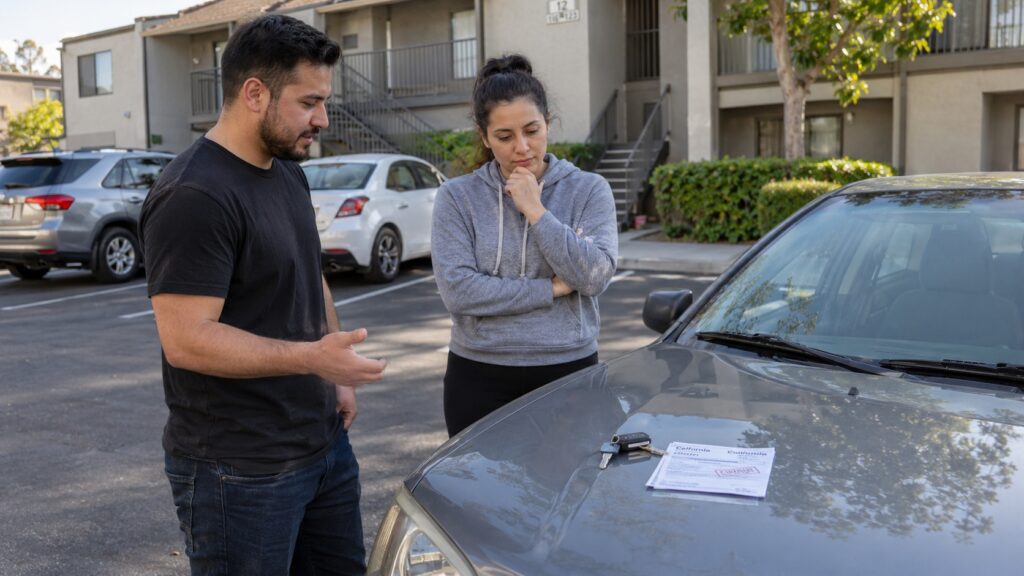
Someone's got a 2016 Honda Accord with 215,000 miles that they bought new and maintained the whole way. No savings set aside for the next car. They're eyeing a $30,000 2020 RAV4, and think they can walk away with about $7,000 between selling the Accord and a motorcycle. The question they're asking is the one almost everyone asks in this spot. Do they sell the old car first or buy the new one first? That framing makes it sound like a scheduling problem. It isn't. The real question underneath it is which mistake this person can actually afford to make,

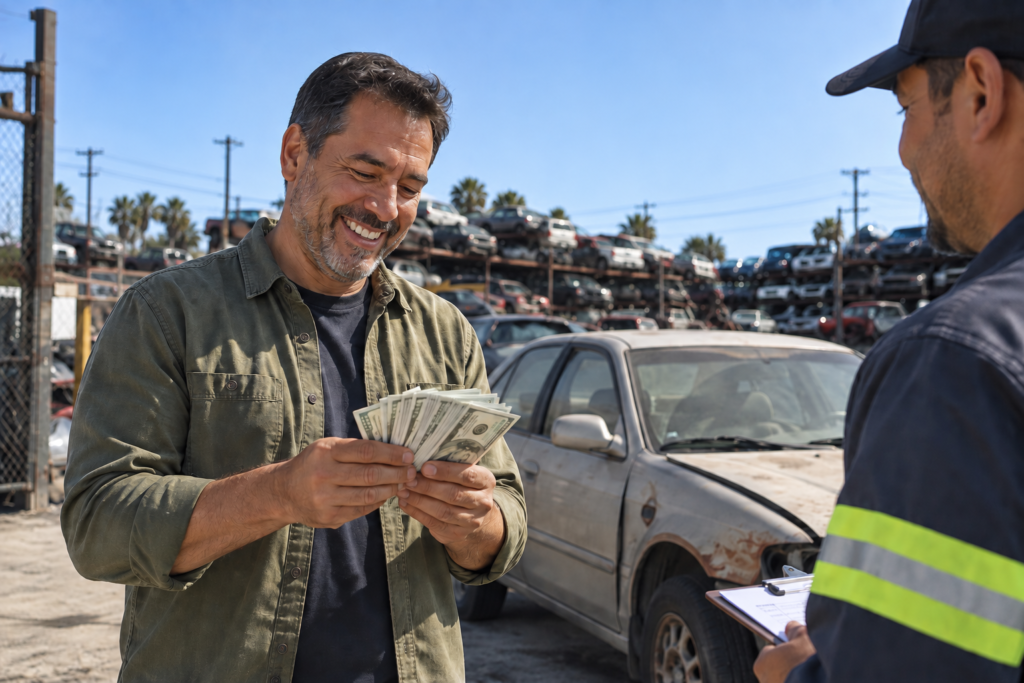
Selling A Truck With A Bad Transmission For Cash Isn’t Giving Up. It’s Reading The Market Correctly

Someone bought a 2006 Dodge Ram 1500 at auction for about $2,500, with a clean title and 250,000 miles. The transmission is shot. It can drive but won't shift past third gear.. A shop quoted $1,500 to $2,000 for a replacement, pending a closer look. They tried Facebook Marketplace at $3,000, then $2,500, then $2,000. Plenty of watchers. No real offers. The most "serious" buyers who did reach out had $500 to their name and wanted the truck for that. The instinct in threads like this is always the same. Just fix it, and then it'll sell. Sometimes that's right.

Dealerships Aren’t Reading Your Mind, They’re Reading A Database

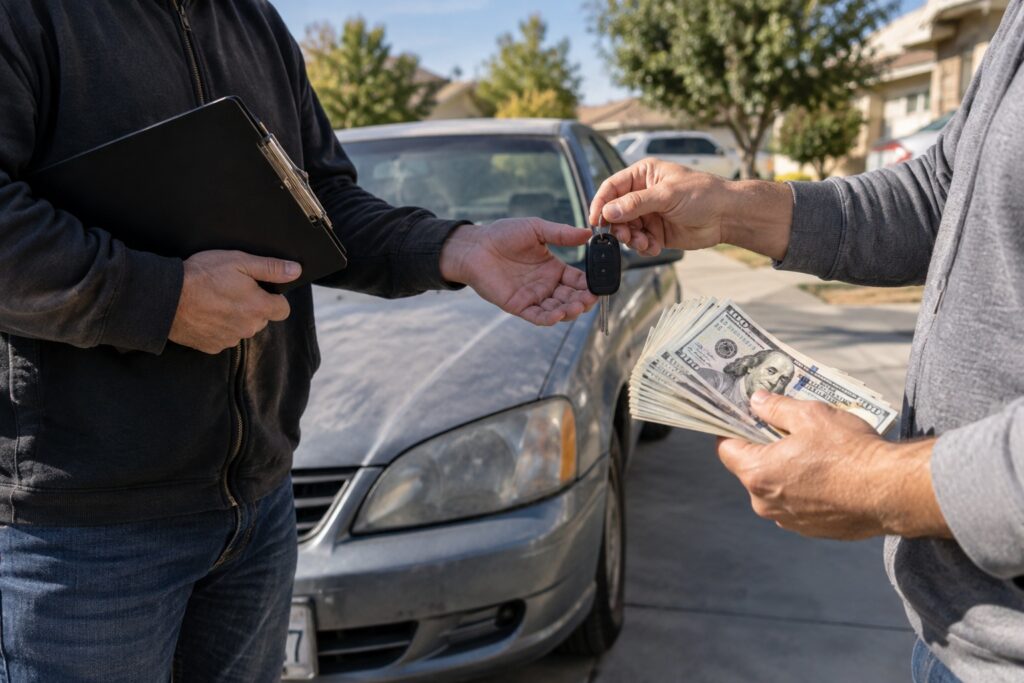
Someone got a CarMax offer on their 2018 Honda Odyssey that came in way lower than they expected. Later that day, they walked into a dealership across the street to check trade-in numbers on a different vehicle. The CarMax offer was still folded up in their pocket. They never mentioned it. The salesman came back a few minutes later and said he would "match CarMax's offer," then wrote down the exact number on paper, with CarMax's letterhead visible on the printout. The reaction in the comments was exactly what you would expect. It was a mix of "that's illegal" and

A $25 Salvage Auction Bid Isn’t The Actual Price, The Real Number Lives In The Fees

Someone got curious about buying a salvage car for parts and found a local salvage auction site where bidding started at $25. They started doing the math, only to find doc fees, auction fees, and buyer fees adding up to around $800, on top of whatever the winning bid ended up being. The reaction was predictable. People felt like the $25 headline number was basically bait, that the real cost got hidden until the very end of the process. The more useful way to look at it is that the $25 was never meant to be the final price. It's

A “Known Issue” On Your Carfax Doesn’t Mean The Car Is Broken, But It Does Change Who’s Willing To Buy It

Someone posted about their 2022 Chevy Trailblazer with 70,000 miles throwing an "engine power reduced" message, a problem they later learned was widely documented on that specific model. They bought the car brand new as a college student without much research, and now they are trying to figure out what this means for trading it in or selling it. The comments went the way these threads always do, with some people saying it's a death sentence for resale value, others saying it's a minor, well-known fix that barely matters. The more accurate reading is that a widely documented issue affecting

A $60,000 Car Isn’t Immune To Becoming A Money Pit, But Everyone Assumes It Is

Someone ran their 2020 BMW X5 through a reliability tracking app at 52,000 miles. The app was built to flag common failure points by mileage using aggregated owner reports, and it returned 19 issues associated with that model at roughly that mileage. The reaction in the comments was almost disbelief. A luxury SUV, barely three years old, with nearly two dozen flagged risk areas at its current mileage. People kept asking some version of “How is this possible on a car this expensive?” The actual answer is that price and reliability were never the same measurement, and nothing about a

Being Upside Down On A Car Loan Doesn’t Trap You, It Just Adds One Extra Step To Selling

Someone posted about a car loan through CarMax at 9.64 percent interest, a couple splitting payments biweekly, feeling stuck with a rate that was the best they could get at the time. The replies went the way these threads always do. Half the commenters said to keep paying it off, while the other half said the couple was stuck until they paid the balance down further. They treated being upside down like a wall instead of a math problem. What actually gets missed is that owing more than a car is worth doesn’t block a sale. It just means one

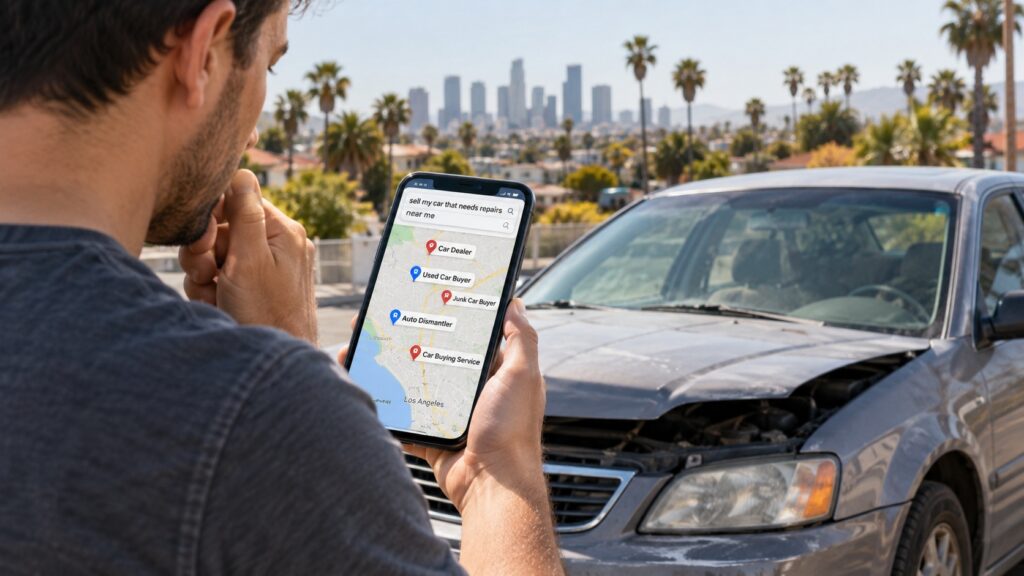
There’s No Magic Number For “Not Worth Fixing Anymore,” But People Keep Repeating One Anyway

Someone posted about their 2009 Outback, 160,000 miles, a head gasket that's been slowly leaking for years without ever completely failing. The car is not overheating, the coolant level is not dropping for no clear reason, and the leak has stayed predictable enough for the owner to keep monitoring it. The replies came in, each carrying a different rule as though it settled the question. One person said never to spend more than half the car’s value. Another drew the line at one-third. Someone else compared the repair bill to six months of car payments. Another said to ignore all

Insurance Didn’t Total Your Car Because It’s Ugly, But Because Of A Number You Never See

Someone posted about their 2024 Mustang EcoBoost, with 50,000 miles, that was damaged in a front-end crash. They still owe $14,000 on it. The insurance company comes back and says it’s a total loss due to which the owner is stuck trying to figure out what a fair payout even looks like. The comments split the usual way. Some insisted that insurers total cars just to avoid paying for repairs. Others said that if the insurance company says “total,” the car must genuinely be destroyed. But here’s what’s actually happening. Totaled isn’t a description of how bad the car looks. Rather,

The Valley's Quiet Theft Season

Home › Blog › The Valley's Quiet Theft Season The Valley's Quiet Theft Season When Theft Becomes a Value Decision Catalytic converter theft is rarely only about the missing part. The real impact lands afterward, in insurance math, weeks of parts delays, an undrivable car, and the household decision about whether the vehicle still deserves more time and money. ✓The theft itself happens fast ✓The repair timeline drags much longer ✓Some owners decide it is time to move on It happens fast enough that most people sleep straight through it. A jack, a reciprocating saw, maybe ninety seconds of grinding