How to Get the Most Cash for Your Old Car?
How to Get the Most Cash for Your Old Car

Cash Cash Cars Guide
Most people selling an old car leave money on the table without realizing it. Not because they got a bad offer, but because they never gave themselves a real shot at a good one.
A few habits separate a decent number from a disappointing one. The goal is not to make an aging vehicle look new. It is to remove avoidable uncertainty, describe the car honestly, and understand which details actually influence what a buyer is prepared to pay.
Know what you actually have before you ask what it is worth
Year, make, model, mileage, and condition set the range. But two cars with identical specifications can be worth very different amounts depending on details people forget to mention: whether the timing belt was replaced on schedule, whether it is a trim level with anything worth keeping, whether the air-conditioning compressor works, whether the tires have real tread left, whether the catalytic converter is intact, and whether anything major is currently wrong with the vehicle.
Write these details down before you contact anyone. You will be able to answer questions consistently, avoid vague descriptions, and give the buyer enough information to calculate a more accurate number.
Have the VIN, mileage, title status, running condition, major mechanical problems, recent service history, and any missing parts ready before requesting an offer.
Paperwork is worth real money
A clean title in your name, with no lienholder still listed on it, is one of the biggest things that keeps an offer from dropping. If the title is lost, many states allow the owner to request a duplicate for a modest fee. Handling that before the sale is usually easier than introducing the problem after an offer has already been discussed.
Current registration does not always move the number much on its own, but a stack of service records can. Maintenance receipts support what you are saying about the car and help a buyer distinguish documented care from guesswork.
Owners dealing with paperwork complications can also review the guide to selling a car without a title.

Do not spend money trying to make it look sellable
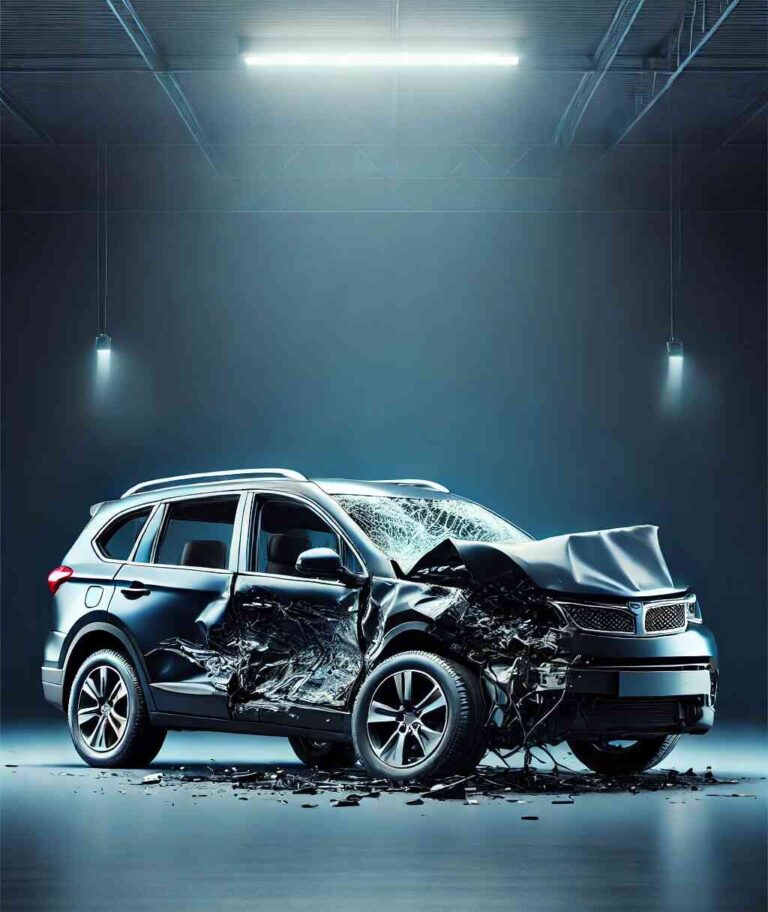
This is where many owners lose the most. A car that needs expensive brake work does not automatically need that work completed before it is sold. The buyer will account for the repair in the offer either way, and the seller will rarely recover every dollar spent fixing it first.
The exception is genuinely inexpensive, high-visibility work: washing and vacuuming the vehicle, removing personal belongings from the cabin and trunk, locating the spare key, and inflating soft tires so the car can be moved safely. Beyond that, major repair spending before a sale is often a poor return.
A clean interior, accessible keys, honest photographs, and a precise description usually do more for the selling process than an expensive repair made only to impress a buyer.
Get more than one number
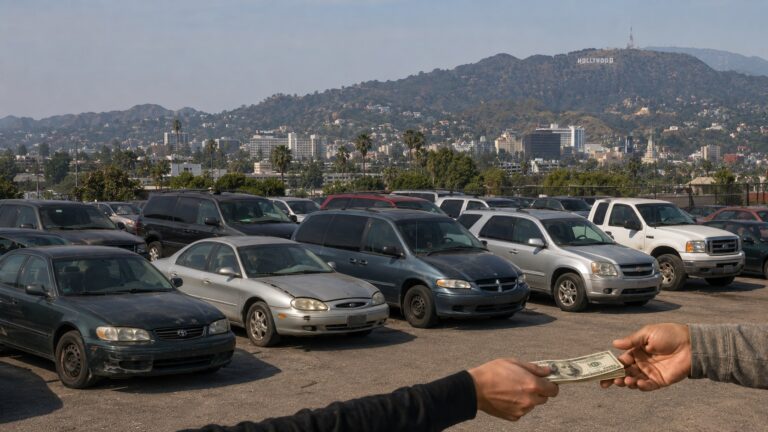
A private buyer, a dealer trade-in, and a cash-for-cars buyer are three different markets with three different calculations.
A private sale can produce a higher price for a desirable car in good condition, but it normally takes longer and leaves the seller handling inquiries, viewings, paperwork, and uncertainty until ownership is transferred. A dealer trade-in is convenient, but the number is part of a larger vehicle purchase, making it harder to isolate what the old car itself was worth.
A cash buyer that specializes in older or less-than-perfect vehicles can offer a more direct process without waiting for a stranger from a classified listing. None of these routes is automatically right for every seller. The best choice depends on the car, the seller’s available time, and how much inconvenience they are willing to manage.
For vehicles that already need substantial work, see how Cash Cash Cars handles vehicles needing repair.
Timing matters more than people think
A car that has been sitting often gets worse rather than better. Batteries discharge, fluids age, rodents can reach cabin filters and wiring, and tires can develop flat spots. A running vehicle can slowly cross into non-running territory simply because no one is using or maintaining it.
If you are not actively using the vehicle and do not plan to repair or restore it, the number available today may be better than the number available after several more months of deterioration.
The bottom line
Getting the most cash for an old car is not mainly about negotiating harder. It is about avoiding unnecessary discounts: have the title and records ready, describe the vehicle accurately, remove last-minute surprises, and compare your realistic selling options instead of accepting the first number you hear.
If the car needs work you are not going to complete, or it has become an unwanted vehicle taking up space, a direct cash sale may be more practical than waiting for a private buyer who expects a car in better condition. Learn more about selling old and unwanted cars.
Frequently asked questions
Should I repair an old car before selling it?
Usually, major repairs are not worth doing solely to raise the sale price. Low-cost presentation work such as washing the car, removing personal items, and inflating the tires can help, but expensive repairs are rarely recovered in full.
Does having a clean title increase an old car’s value?
A clean title in the seller’s name makes the transaction simpler and can prevent an offer from being reduced because of paperwork complications. Service records can also help support the condition history.
Is a private sale always the best way to get more money?
A private sale may produce a higher price for a desirable car in good condition, but it usually takes longer and requires handling inquiries, paperwork, and buyer uncertainty. A direct cash sale can be more practical for older or repair-needing vehicles.
Does an unused car lose value while it sits?
It can. Batteries discharge, tires develop flat spots, fluids age, and wiring or interiors can deteriorate. A vehicle that currently runs may eventually become a non-running vehicle if it remains unused.
Ready to stop guessing what your old car could bring?
Tell Cash Cash Cars what you have, where it is, and what condition it is in. There is no obligation to accept an offer.
Vehicle offers depend on the vehicle’s actual condition, ownership documentation, location, market demand, and other transaction details.